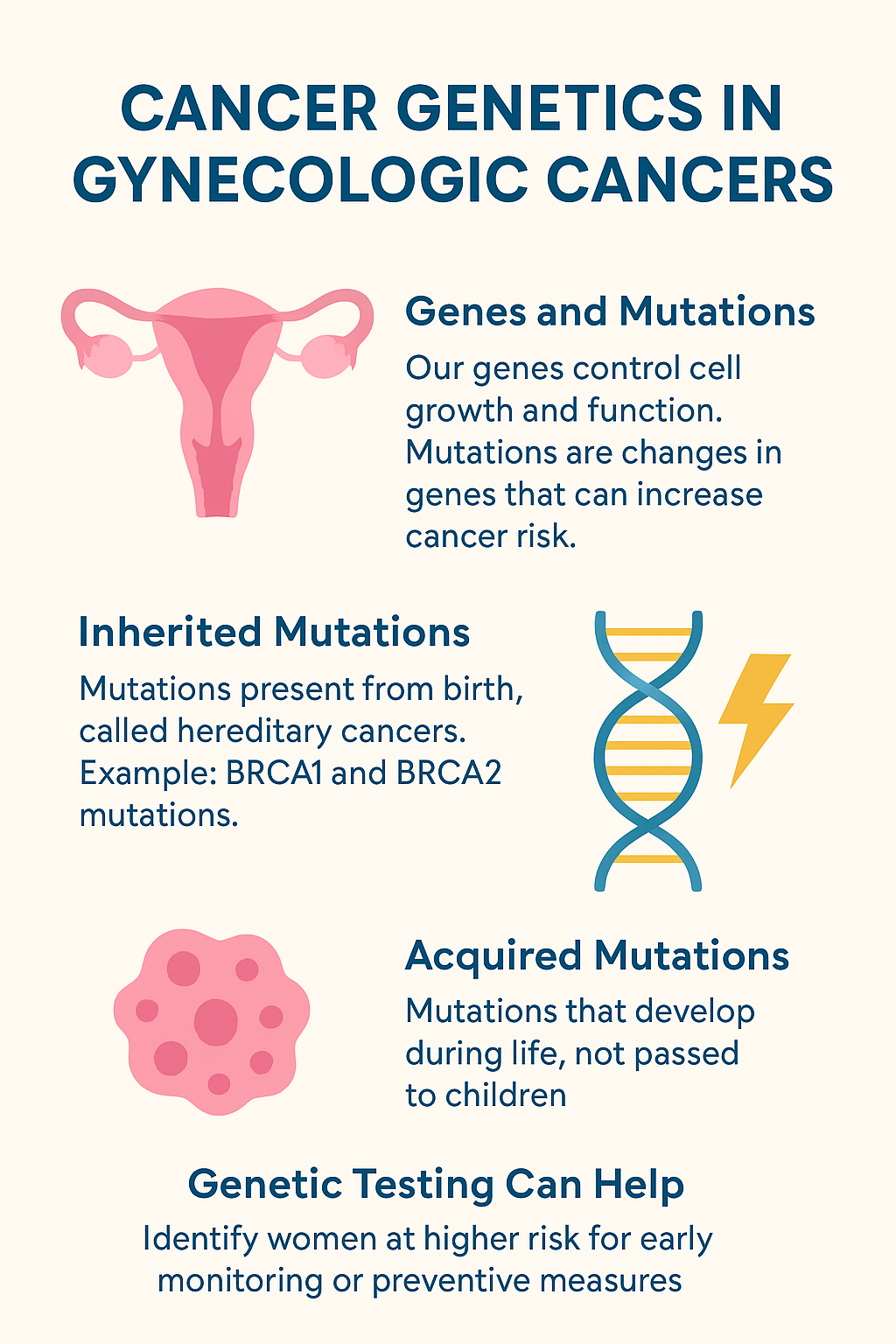
Cancer Genetics in Gynecologic Cancers – Understanding the Basics

Our genes act like an instruction manual for our body, controlling how cells grow and function. Sometimes, certain changes in these genes, called mutations, can increase the risk of cancers, including those affecting a woman’s reproductive organs such as the ovaries, uterus, and cervix.

Some mutations are inherited from parents, meaning they are present from birth. These are called hereditary cancers. For example, changes in genes like BRCA1 and BRCA2 can increase the risk of ovarian and breast cancers. Lynch syndrome, caused by mutations in specific DNA repair genes, can raise the risk of uterine and other cancers.

Other mutations develop during life, often due to aging or environmental factors, and are not passed to children. These are called acquired mutations.

Genetic testing can help identify women at higher risk, allowing for early monitoring or preventive measures. If you have a strong family history of gynecologic or breast cancer, your doctor may recommend such testing.

Understanding cancer genetics empowers women to take proactive steps for their health. Early detection, regular screenings, and informed lifestyle choices can significantly improve outcomes. Genetics is not destiny—knowledge and timely action can make a big difference.
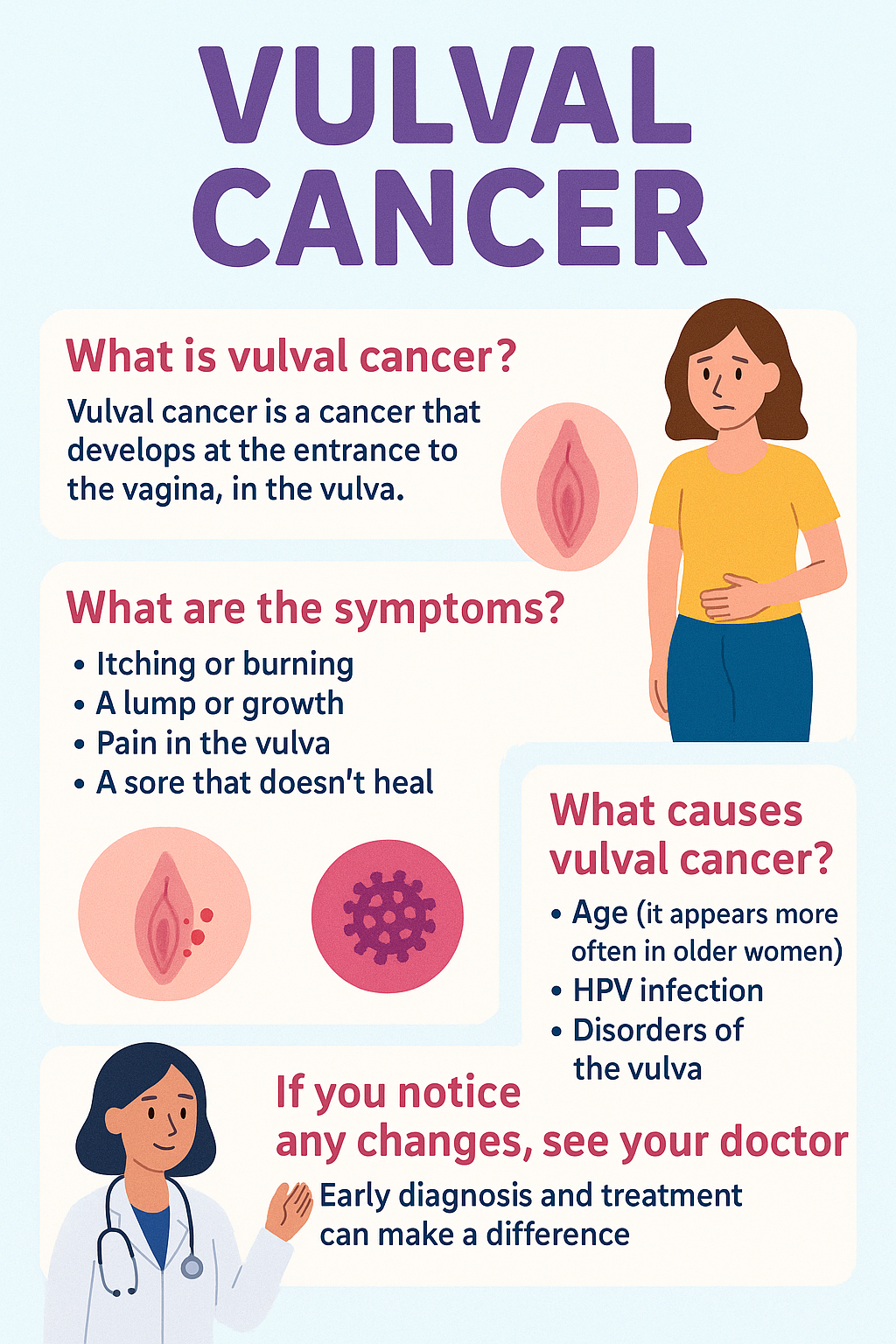
Vulval Cancer – Understanding the Basics

Vulval cancer is an uncommon type of cancer that develops on the outer part of the female genital area, called the vulva. This area includes the skin around the opening of the vagina, the inner and outer lips (labia), and the clitoris. It most often affects women after menopause, but

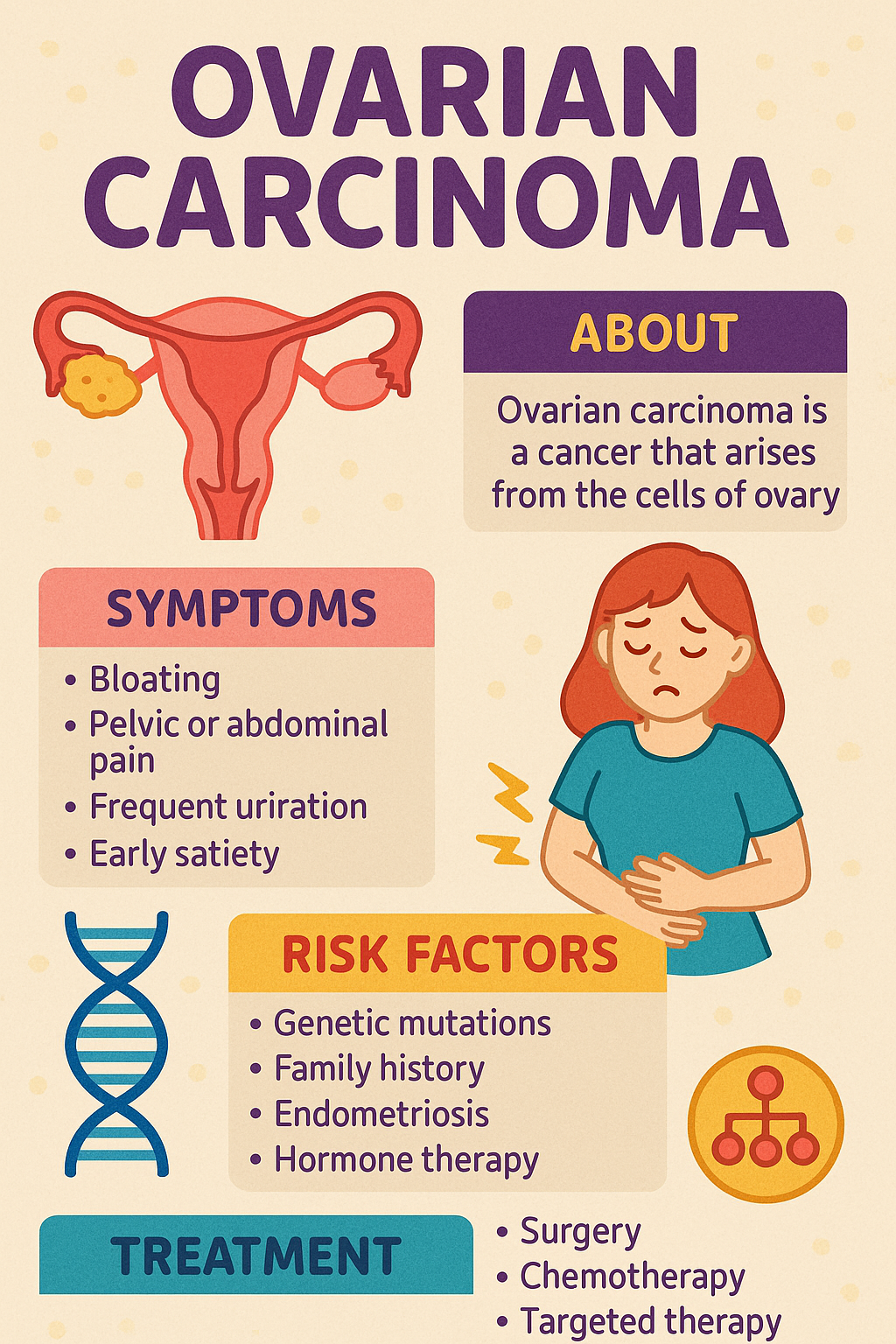
Ovarian cancer

Ovarian cancer is a type of cancer that starts in a woman’s ovaries, the small organs that produce eggs and female hormones. It is often called a “silent killer” because it usually develops without clear symptoms in the early stages, making it difficult to detect. The exact cause is unknown,

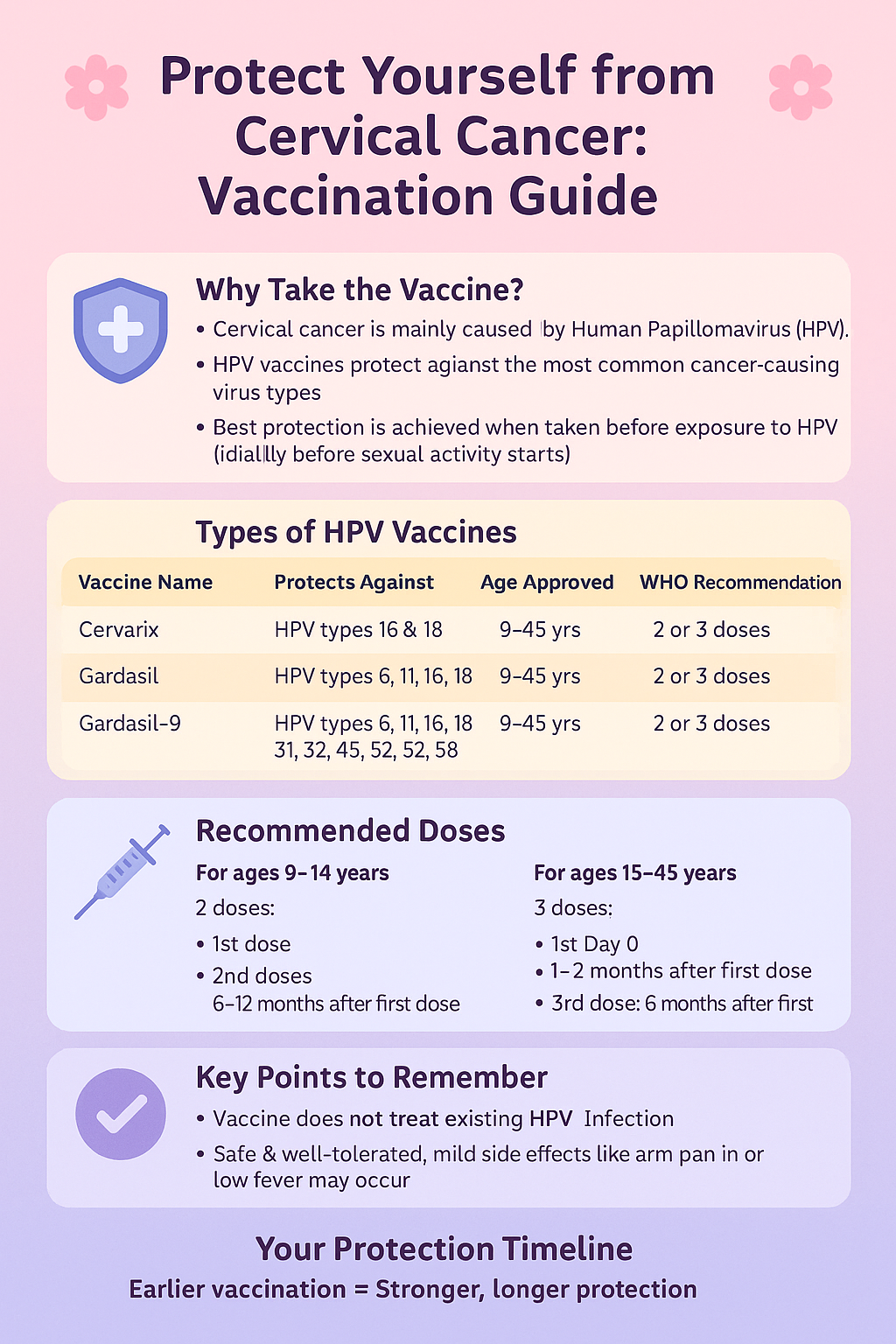
HPV Vaccination – Protecting Against Cervical Cancer

The Human Papillomavirus (HPV) is a very common virus that spreads through skin-to-skin contact during sexual activity. Most people get infected at some point in their lives without even knowing it. While many HPV infections go away on their own, some types can cause serious health problems like cervical cancer,