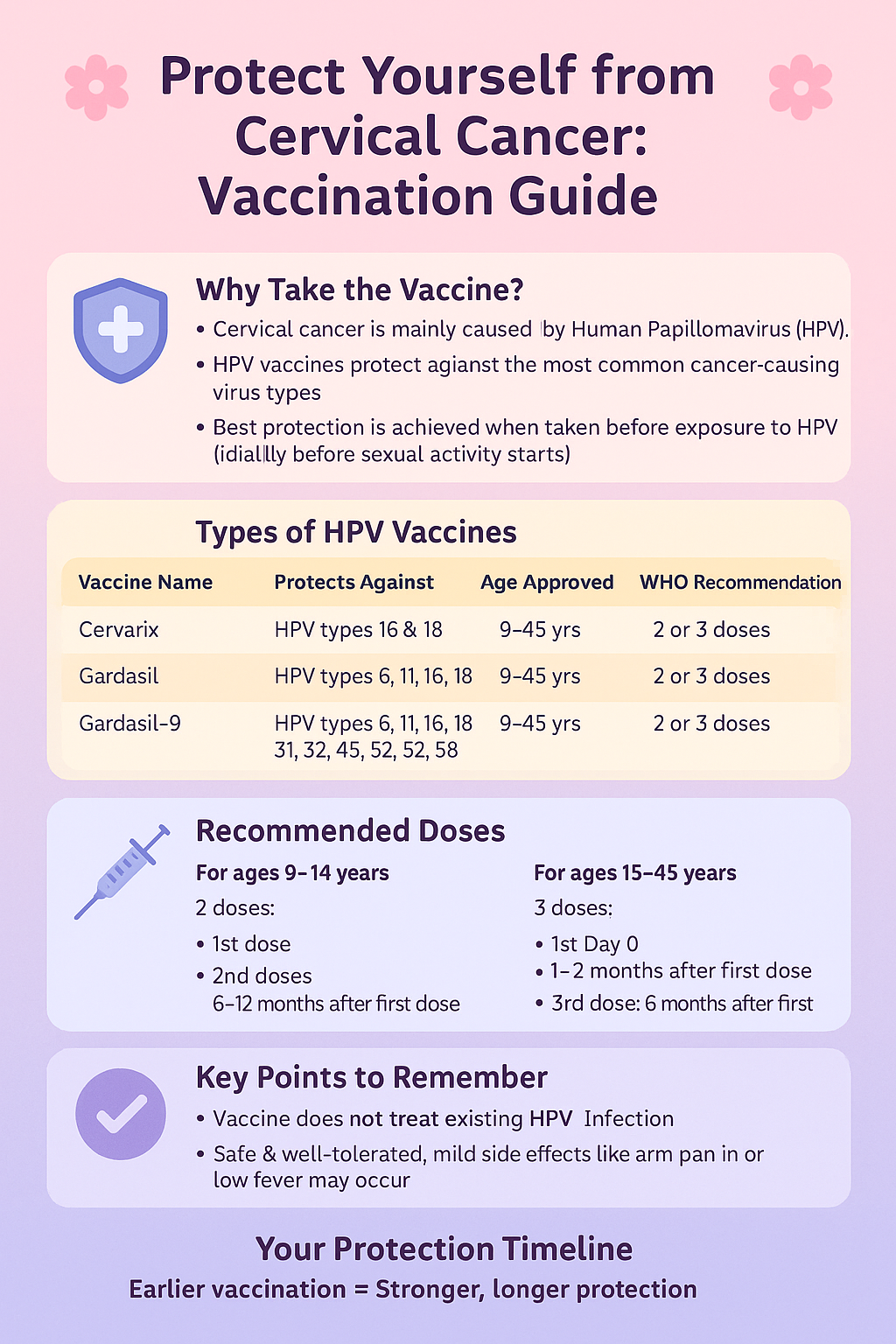
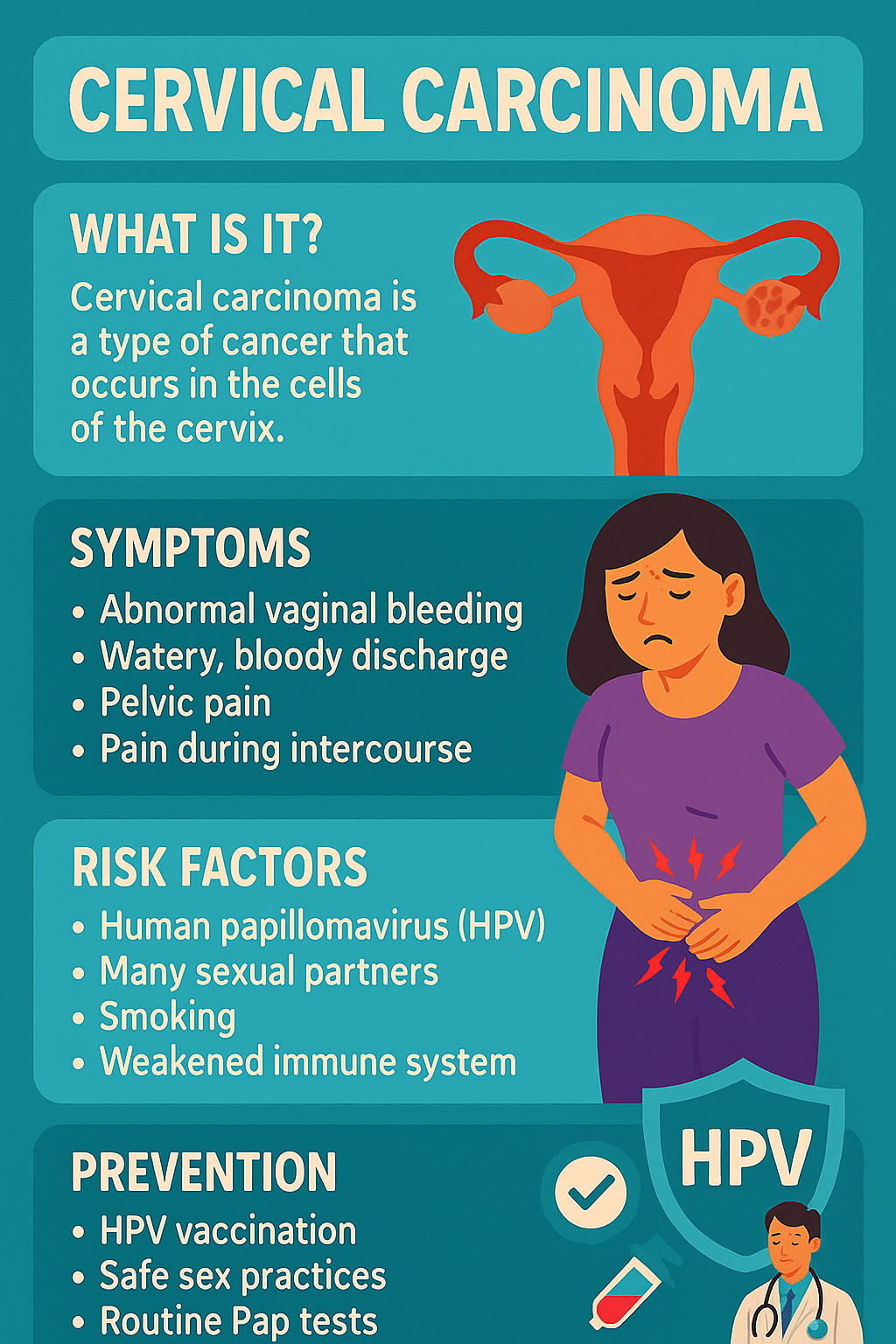
Cervical cancer is a type of cancer that starts in the cervix — the lower part of the uterus that connects to the vagina. It usually develops slowly over several years and is often caused by a long-term infection with the human papillomavirus (HPV), a very common virus spread through sexual contact.

In its early stages, cervical cancer may not cause any symptoms. As it grows, symptoms can include unusual vaginal bleeding (especially after sex), foul-smelling discharge, or pelvic pain. These signs should never be ignored, and medical advice should be sought promptly.

The good news is that cervical cancer is highly preventable and treatable when found early. Regular screening tests, such as the Pap smear and HPV test, can detect changes in the cervix before they turn into cancer. Vaccination against HPV, ideally given in adolescence, greatly reduces the risk.

Treatment depends on the stage of the cancer and may include surgery, radiation therapy, chemotherapy, or a combination.

By attending regular screenings, getting vaccinated, and being aware of symptoms, women can greatly reduce their risk of cervical cancer and improve outcomes if it does occur. Early detection truly saves lives.
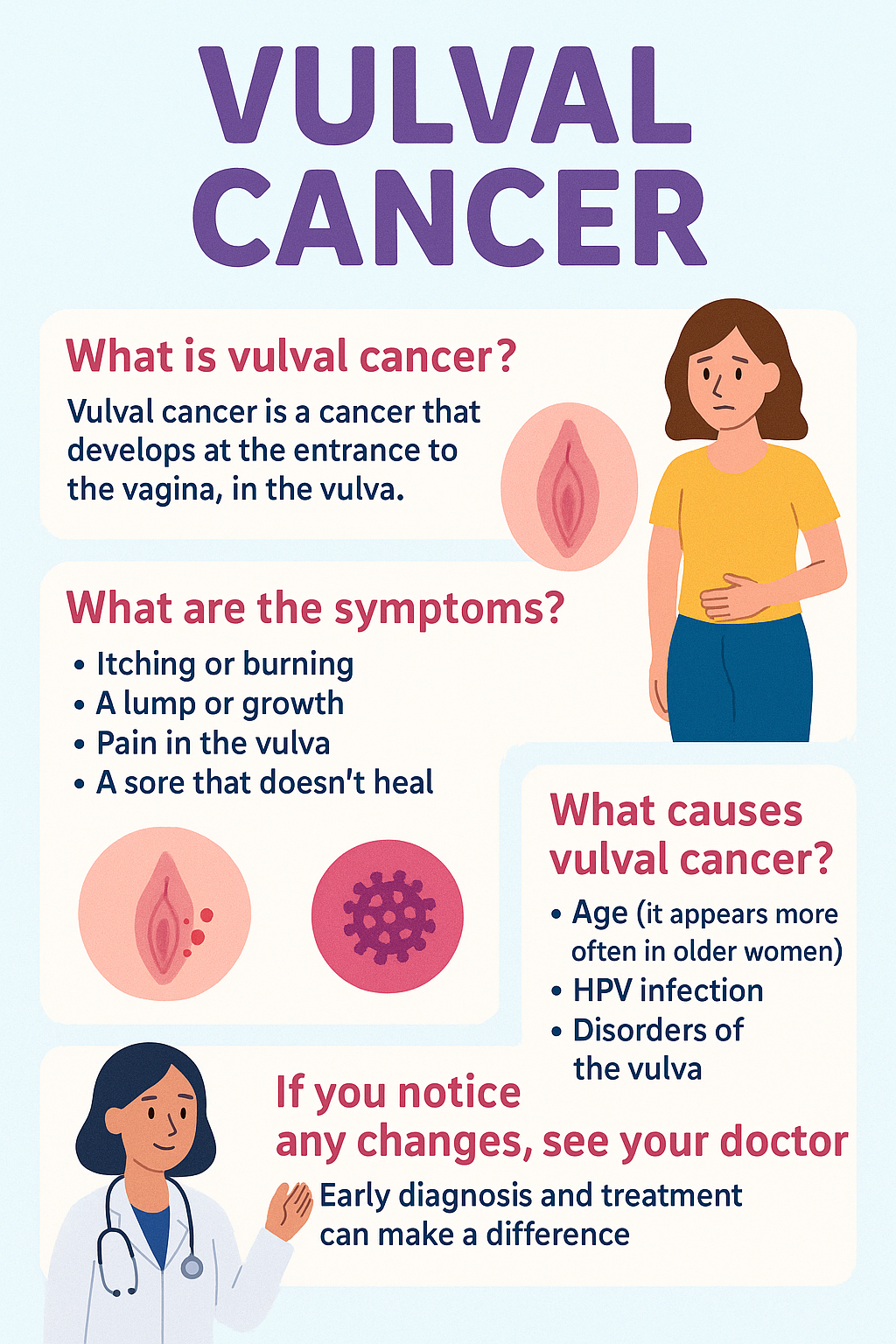
Vulval Cancer – Understanding the Basics

Vulval cancer is an uncommon type of cancer that develops on the outer part of the female genital area, called the vulva. This area includes the skin around the opening of the vagina, the inner and outer lips (labia), and the clitoris. It most often affects women after menopause, but

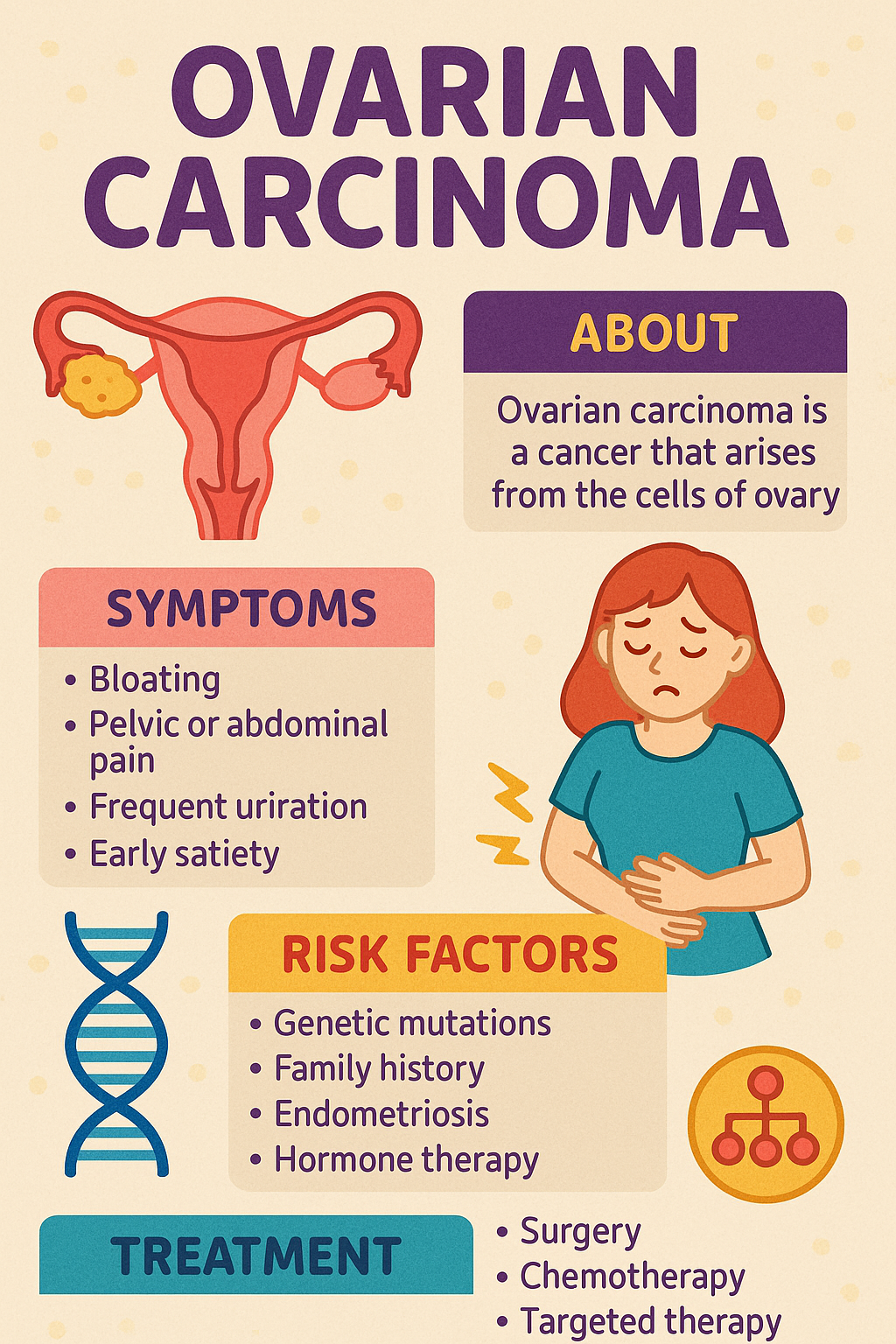
Ovarian cancer

Ovarian cancer is a type of cancer that starts in a woman’s ovaries, the small organs that produce eggs and female hormones. It is often called a “silent killer” because it usually develops without clear symptoms in the early stages, making it difficult to detect. The exact cause is unknown,

HPV Vaccination – Protecting Against Cervical Cancer

The Human Papillomavirus (HPV) is a very common virus that spreads through skin-to-skin contact during sexual activity. Most people get infected at some point in their lives without even knowing it. While many HPV infections go away on their own, some types can cause serious health problems like cervical cancer,