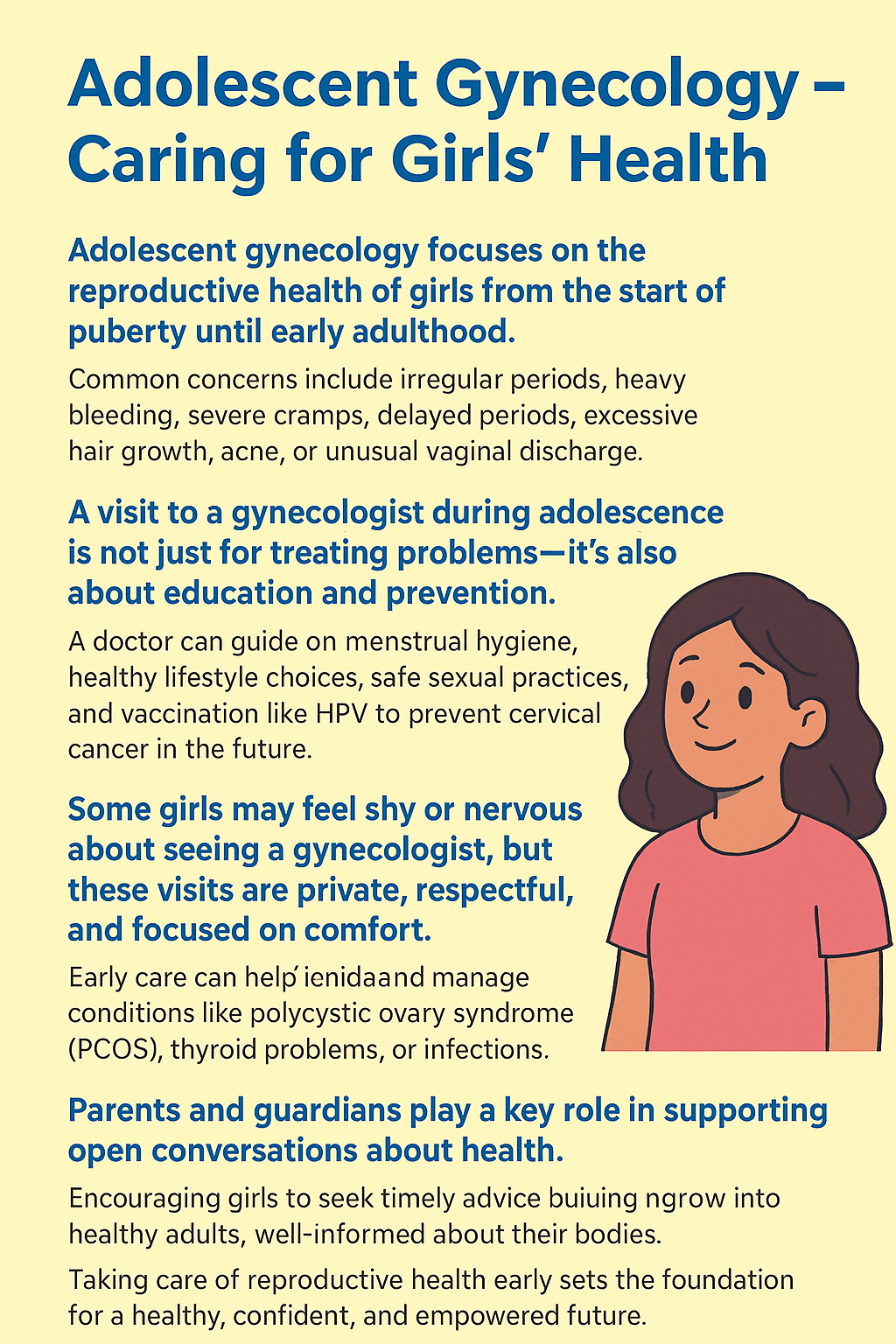
Adolescent Gynecology – Caring for Girls’ Health

Adolescent gynecology focuses on the reproductive health of girls from the start of puberty until early adulthood. This is an important stage in life when the body undergoes many physical and emotional changes. Common concerns include irregular periods, heavy bleeding, severe cramps, delayed periods, excessive hair growth, acne, or unusual vaginal discharge.

A visit to a gynecologist during adolescence is not just for treating problems—it’s also about education and prevention. The doctor can guide on menstrual hygiene, healthy lifestyle choices, safe sexual practices, and vaccination like HPV to prevent cervical cancer in the future.

Some girls may feel shy or nervous about seeing a gynecologist, but these visits are private, respectful, and focused on comfort. Early care can help identify and manage conditions like polycystic ovary syndrome (PCOS), thyroid problems, or infections, preventing long-term issues.

Parents and guardians play a key role in supporting open conversations about health. Encouraging girls to seek timely advice builds confidence and body awareness.

Adolescent gynecology ensures that young women grow into healthy adults, well-informed about their bodies. Taking care of reproductive health early sets the foundation for a healthy, confident, and empowered future.
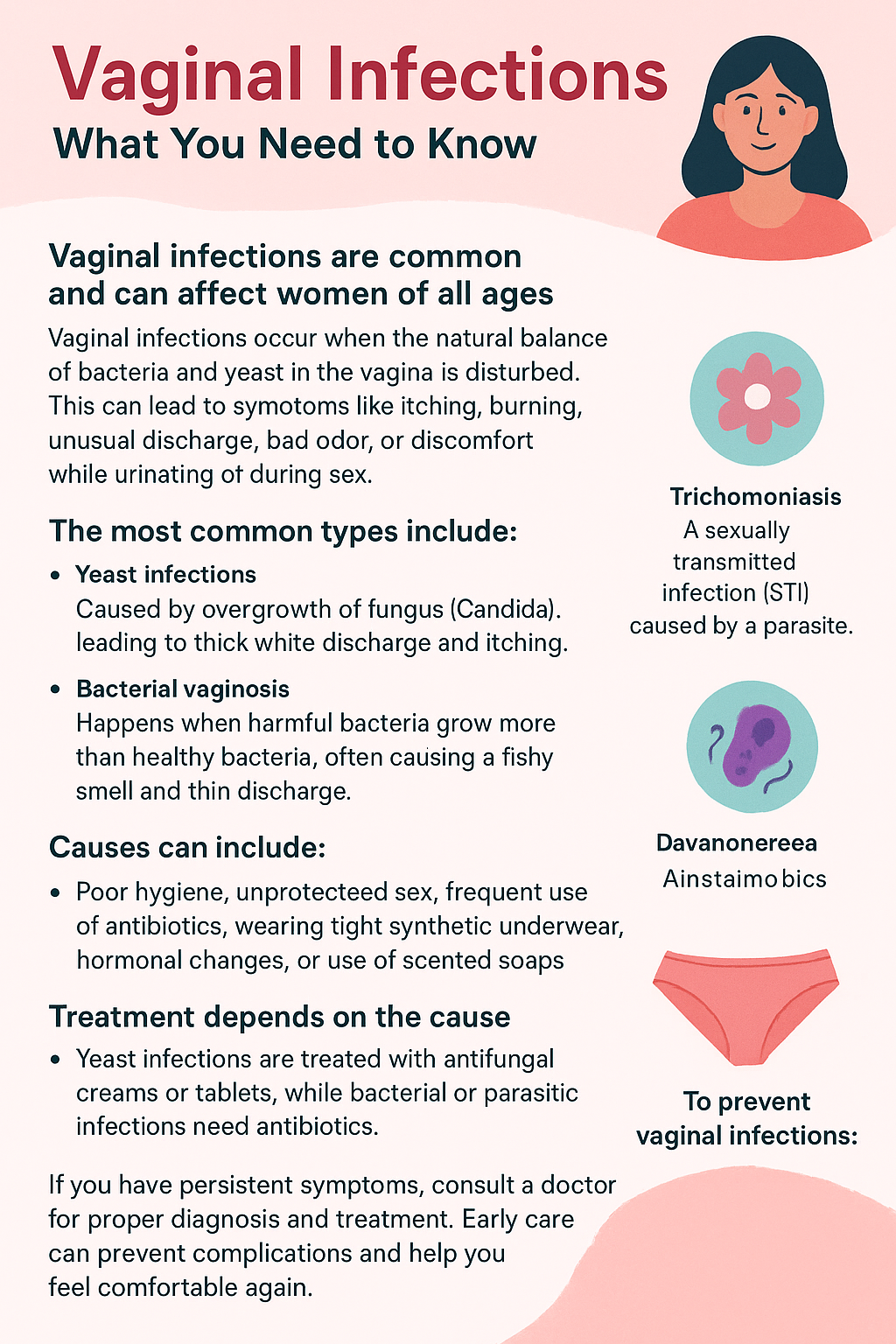
Vaginal Infections – What You Need to Know

Vaginal infections are common and can affect women of all ages. They occur when the natural balance of bacteria and yeast in the vagina is disturbed. This can lead to symptoms like itching, burning, unusual discharge, bad odor, or discomfort while urinating or during sex. The most common types include:

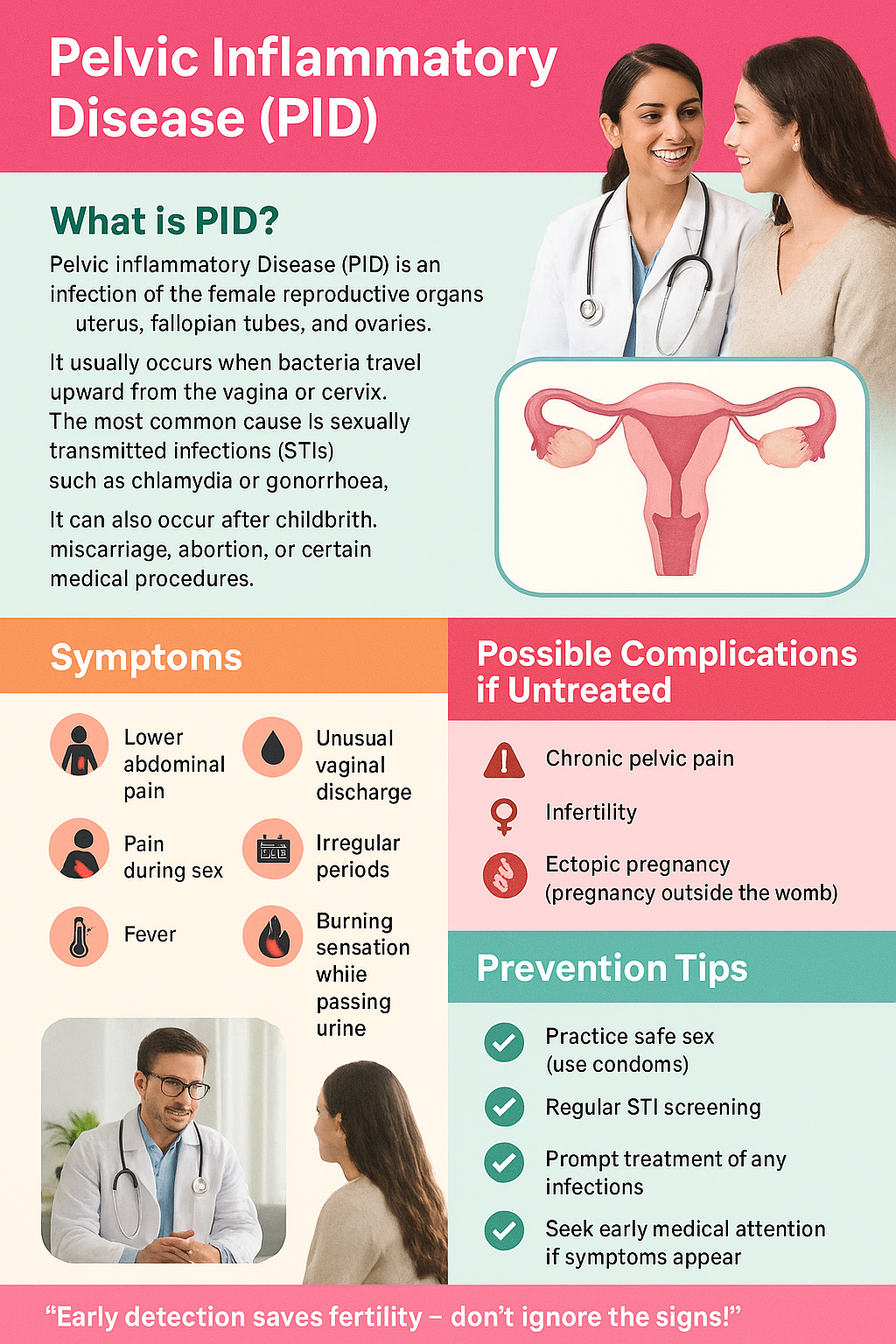
Pelvic Inflammatory Disease (PID)

Pelvic Inflammatory Disease (PID) is an infection of a woman’s reproductive organs, including the uterus, fallopian tubes, and ovaries. It usually happens when bacteria travel upward from the vagina or cervix. The most common cause is sexually transmitted infections (STIs) like chlamydia or gonorrhoea, but it can also occur after

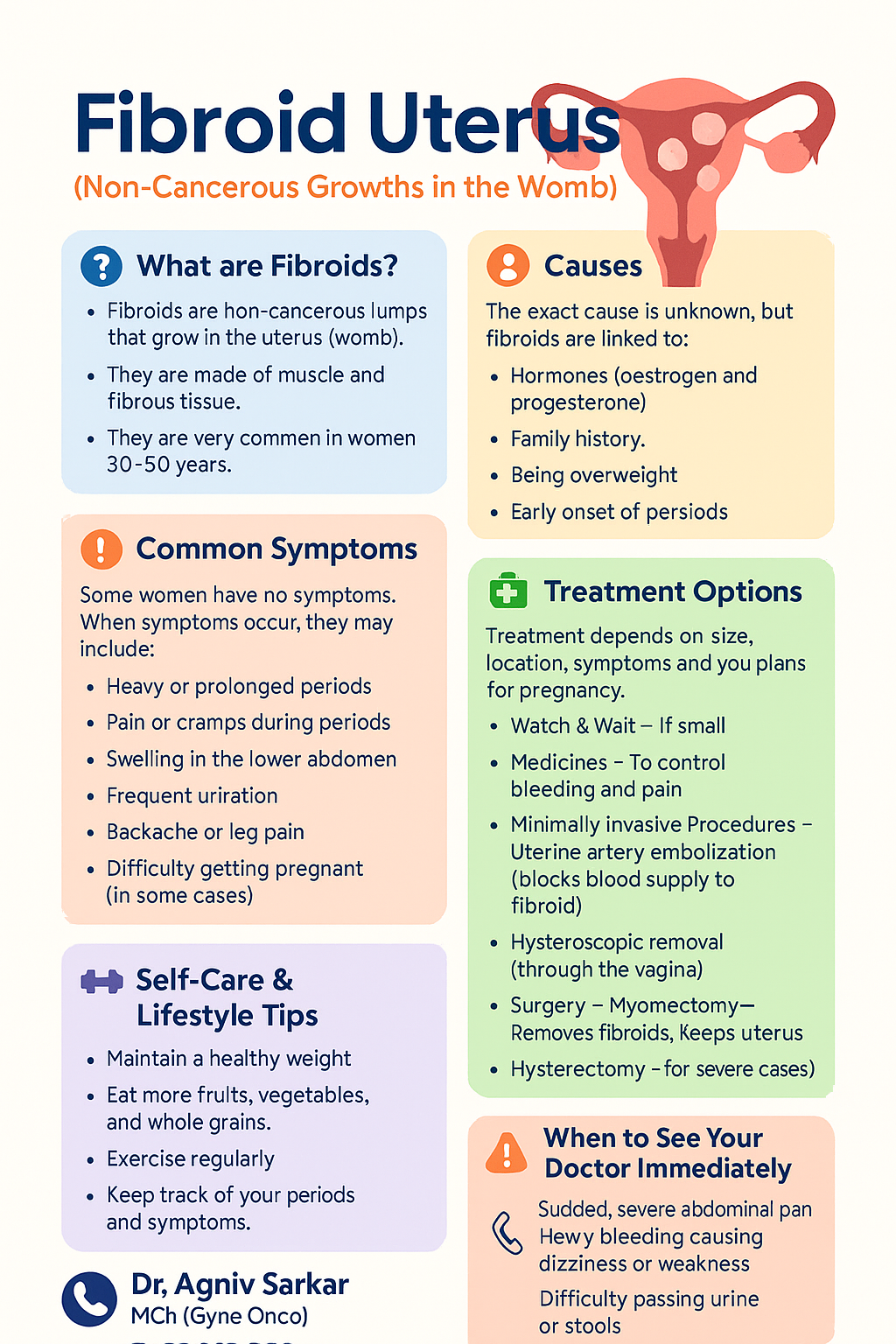
Fibroid Uterus – Understanding the Basics

Fibroids are non-cancerous growths that develop in the muscle wall of the uterus (womb). They are very common in women of reproductive age, especially between 30 and 50 years. Fibroids can be of different sizes – from very small to quite large – and a woman may have one or