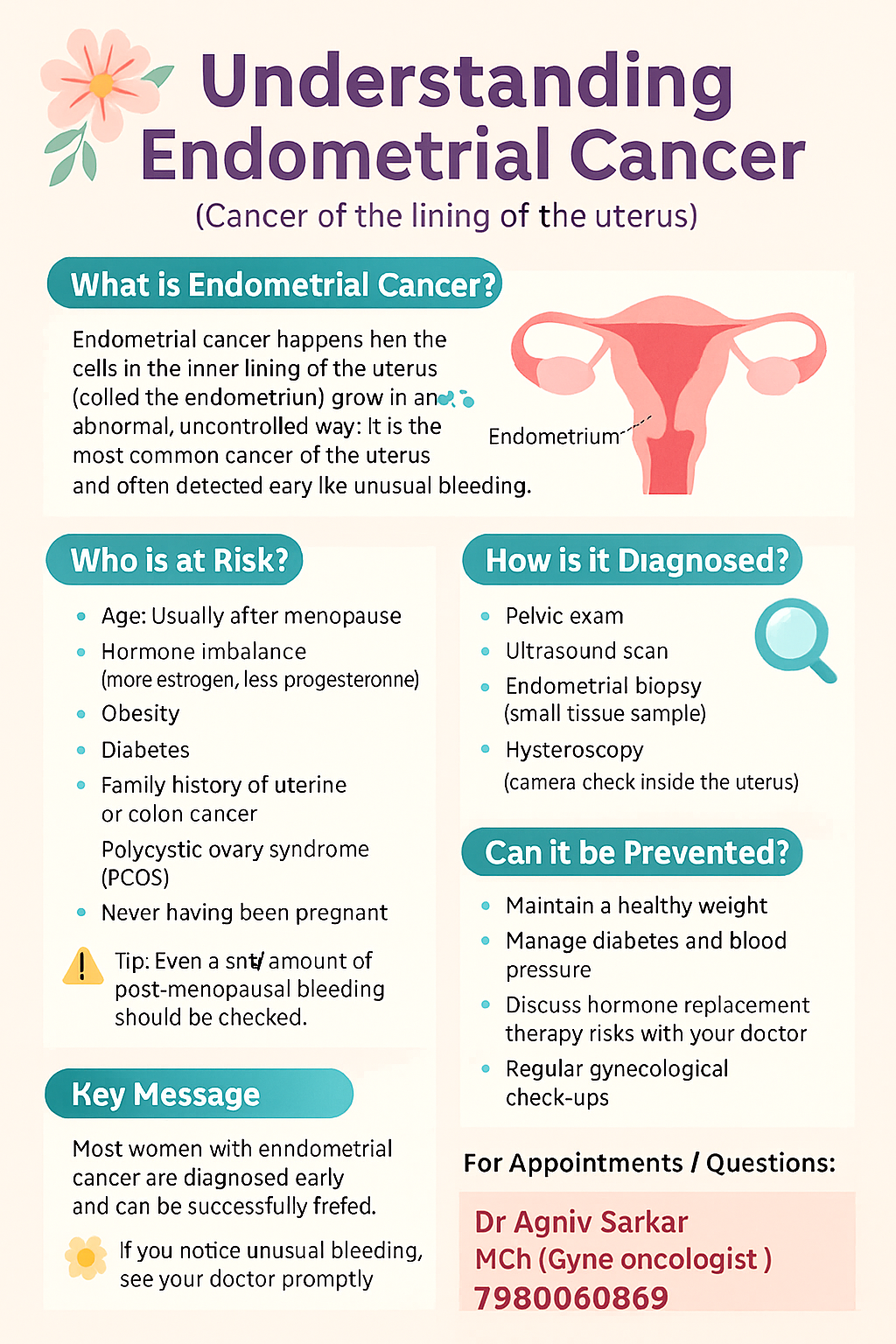
Endometrial cancer is a type of cancer that starts in the lining of the uterus, called the endometrium. It is the most common cancer of the female reproductive system, usually affecting women after menopause, though it can occur earlier.

The main symptom is abnormal vaginal bleeding — especially bleeding after menopause or bleeding between periods. Other warning signs may include pelvic pain, watery or blood-tinged discharge, and unexplained weight loss.

Risk factors include obesity, diabetes, high blood pressure, starting periods early, late menopause, never having been pregnant, and conditions causing high estrogen levels. A family history of certain cancers can also increase risk.

Diagnosis is usually made by an endometrial biopsy or sampling of the uterine lining. Ultrasound scans and other tests may be used for further evaluation.

Treatment often involves surgery to remove the uterus (hysterectomy), sometimes along with the ovaries and fallopian tubes. Depending on the stage, radiation therapy, chemotherapy, or hormonal therapy may be advised.

Early detection offers the best chance for cure. Women should not ignore abnormal bleeding and should have it checked promptly. Maintaining a healthy weight, controlling diabetes, and regular medical check-ups can help reduce risk and improve outcomes.
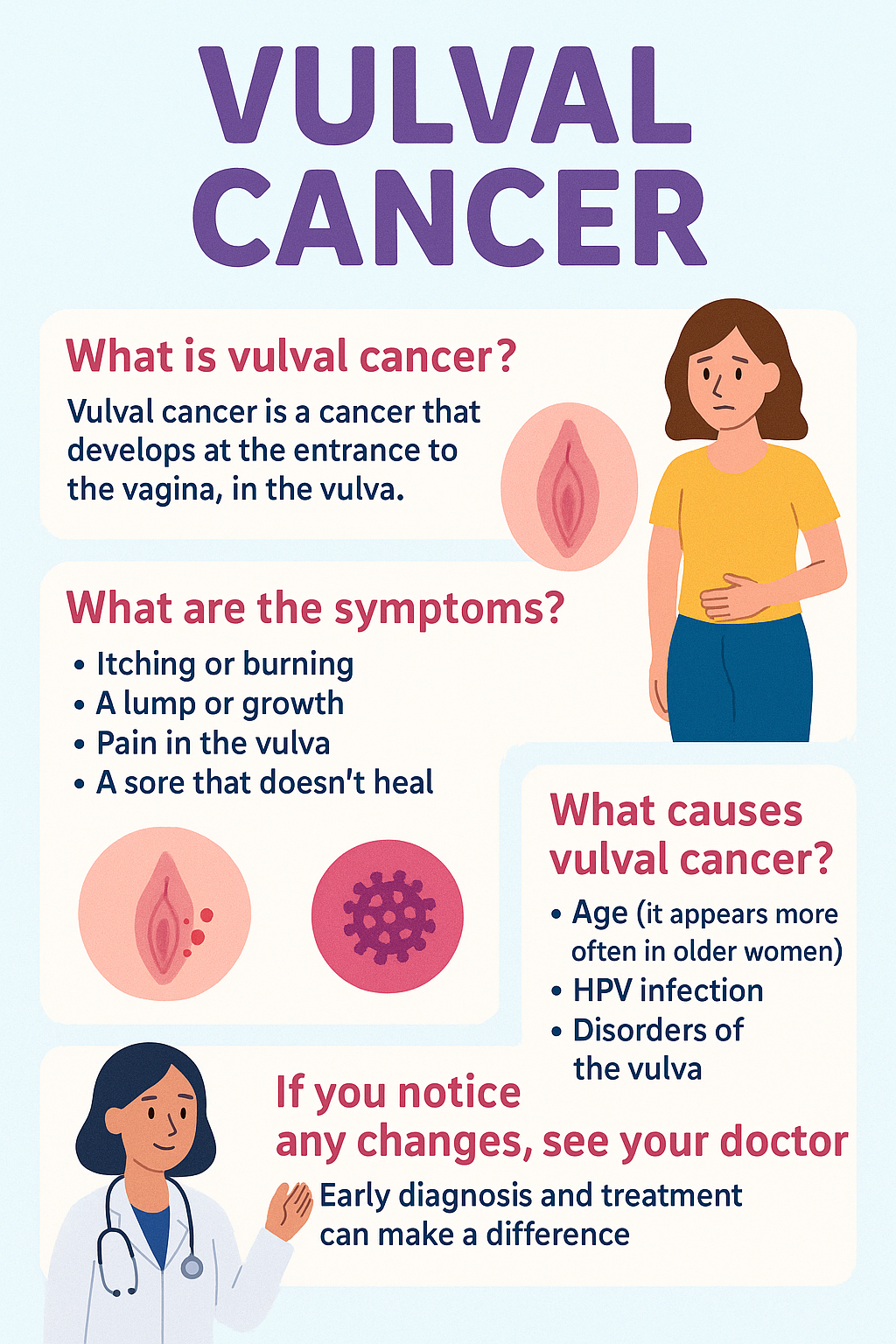
Vulval Cancer – Understanding the Basics

Vulval cancer is an uncommon type of cancer that develops on the outer part of the female genital area, called the vulva. This area includes the skin around the opening of the vagina, the inner and outer lips (labia), and the clitoris. It most often affects women after menopause, but

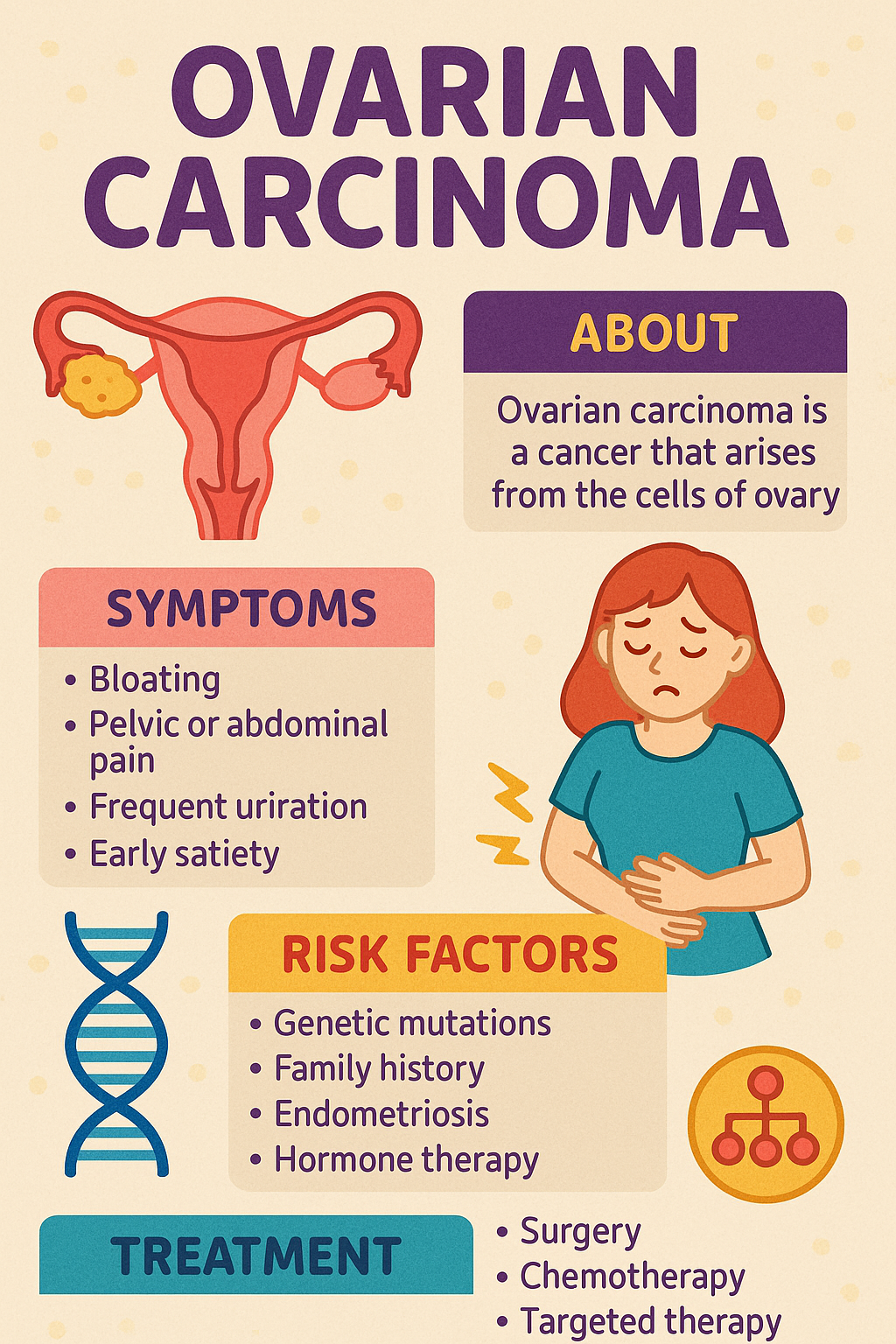
Ovarian cancer

Ovarian cancer is a type of cancer that starts in a woman’s ovaries, the small organs that produce eggs and female hormones. It is often called a “silent killer” because it usually develops without clear symptoms in the early stages, making it difficult to detect. The exact cause is unknown,

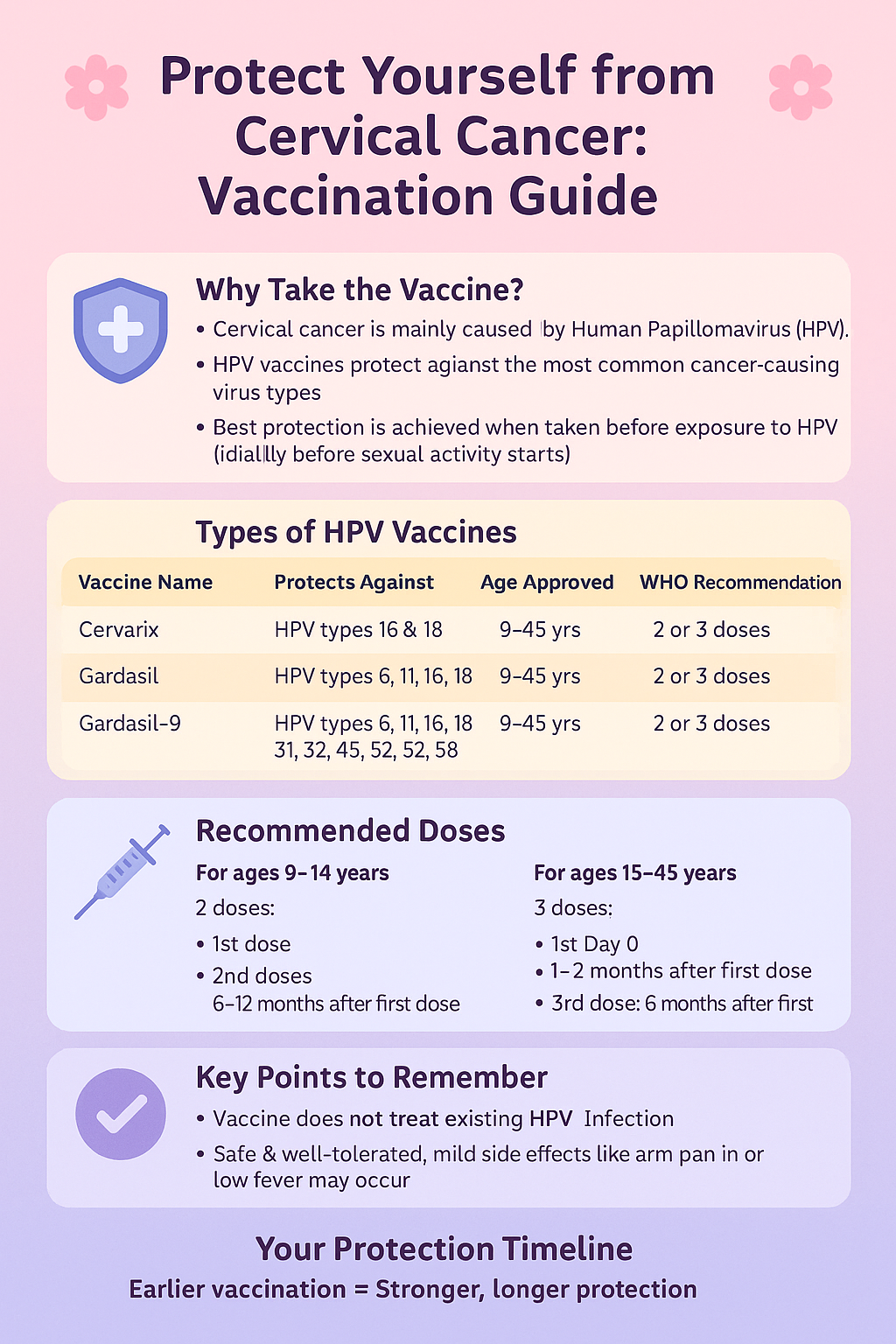
HPV Vaccination – Protecting Against Cervical Cancer

The Human Papillomavirus (HPV) is a very common virus that spreads through skin-to-skin contact during sexual activity. Most people get infected at some point in their lives without even knowing it. While many HPV infections go away on their own, some types can cause serious health problems like cervical cancer,