Polycystic Ovary Syndrome (PCOS)

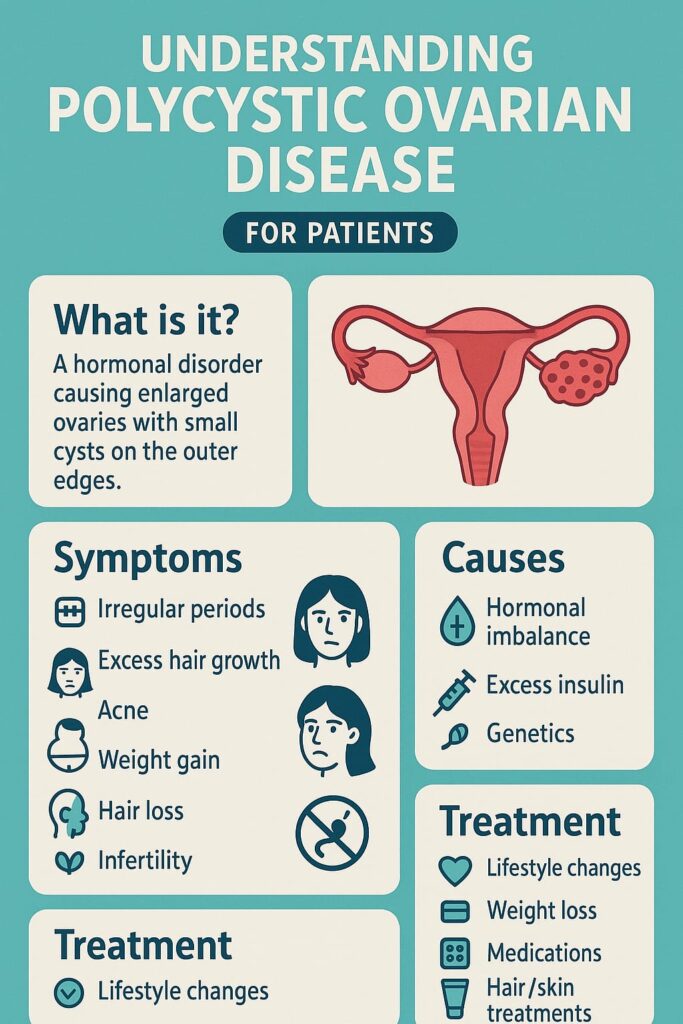
Polycystic Ovary Syndrome (PCOS) is a common health condition that affects women of reproductive age. It happens due to a hormonal imbalance, where the body produces higher levels of male hormones (androgens) than usual. This can affect the regular release of eggs from the ovaries, leading to irregular periods or no periods at all.

Women with PCOS may notice symptoms such as weight gain, acne, excessive facial or body hair, thinning scalp hair, and difficulty in getting pregnant. Some may also experience mood changes or fatigue. PCOS is also linked to long-term health issues like diabetes, high blood pressure, and heart disease if not managed properly.

The exact cause of PCOS is not fully known, but genetics and lifestyle factors play a role. Diagnosis is made through a combination of symptoms, blood tests, and ultrasound.

There is no permanent cure for PCOS, but symptoms can be managed effectively. Lifestyle changes like eating a balanced diet, regular exercise, and maintaining a healthy weight can make a big difference. Doctors may also prescribe medicines to regulate periods, control symptoms, and improve fertility.

Early diagnosis and proper management can help women with PCOS lead healthy, fulfilling lives.
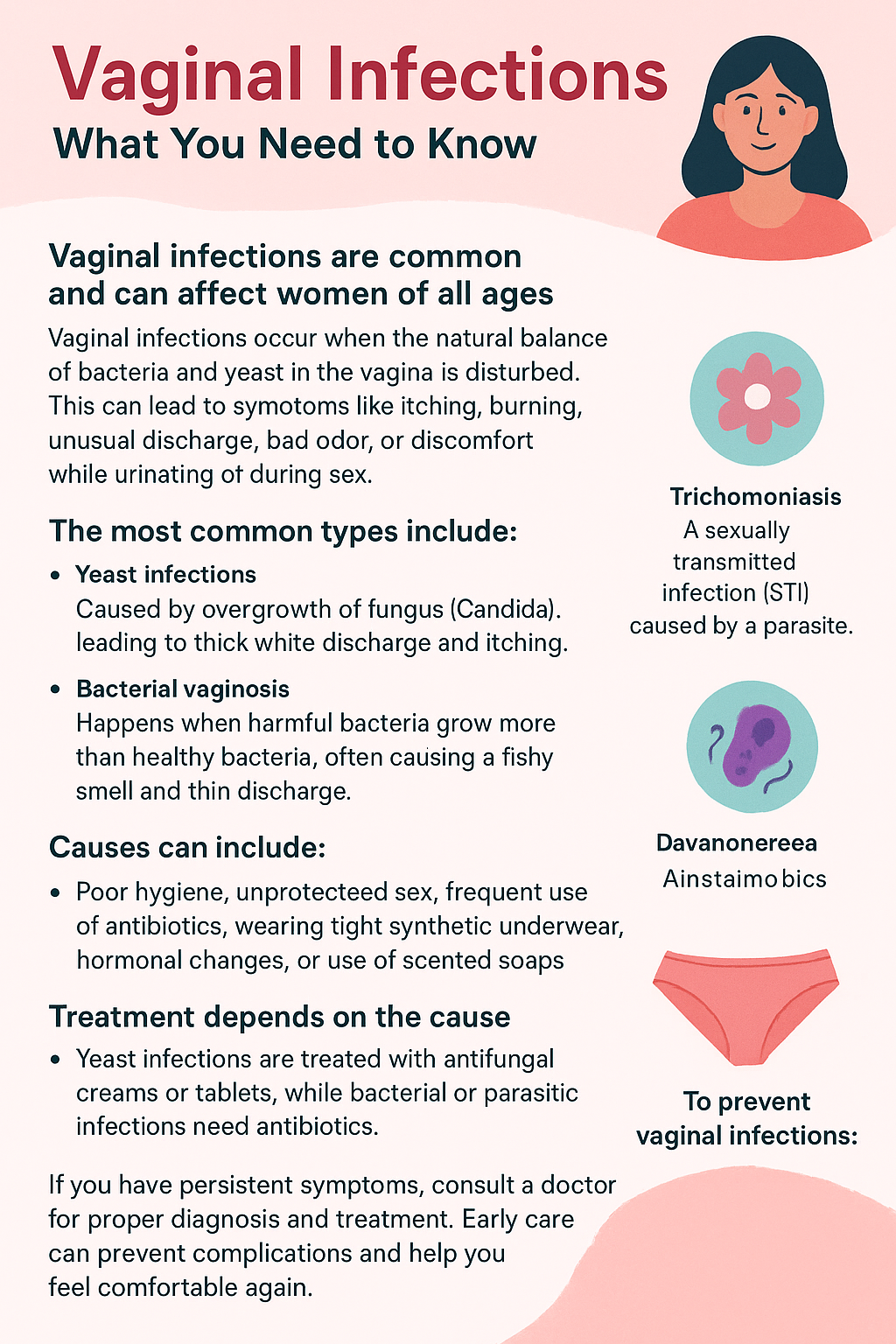
Vaginal Infections – What You Need to Know

Vaginal infections are common and can affect women of all ages. They occur when the natural balance of bacteria and yeast in the vagina is disturbed. This can lead to symptoms like itching, burning, unusual discharge, bad odor, or discomfort while urinating or during sex. The most common types include:

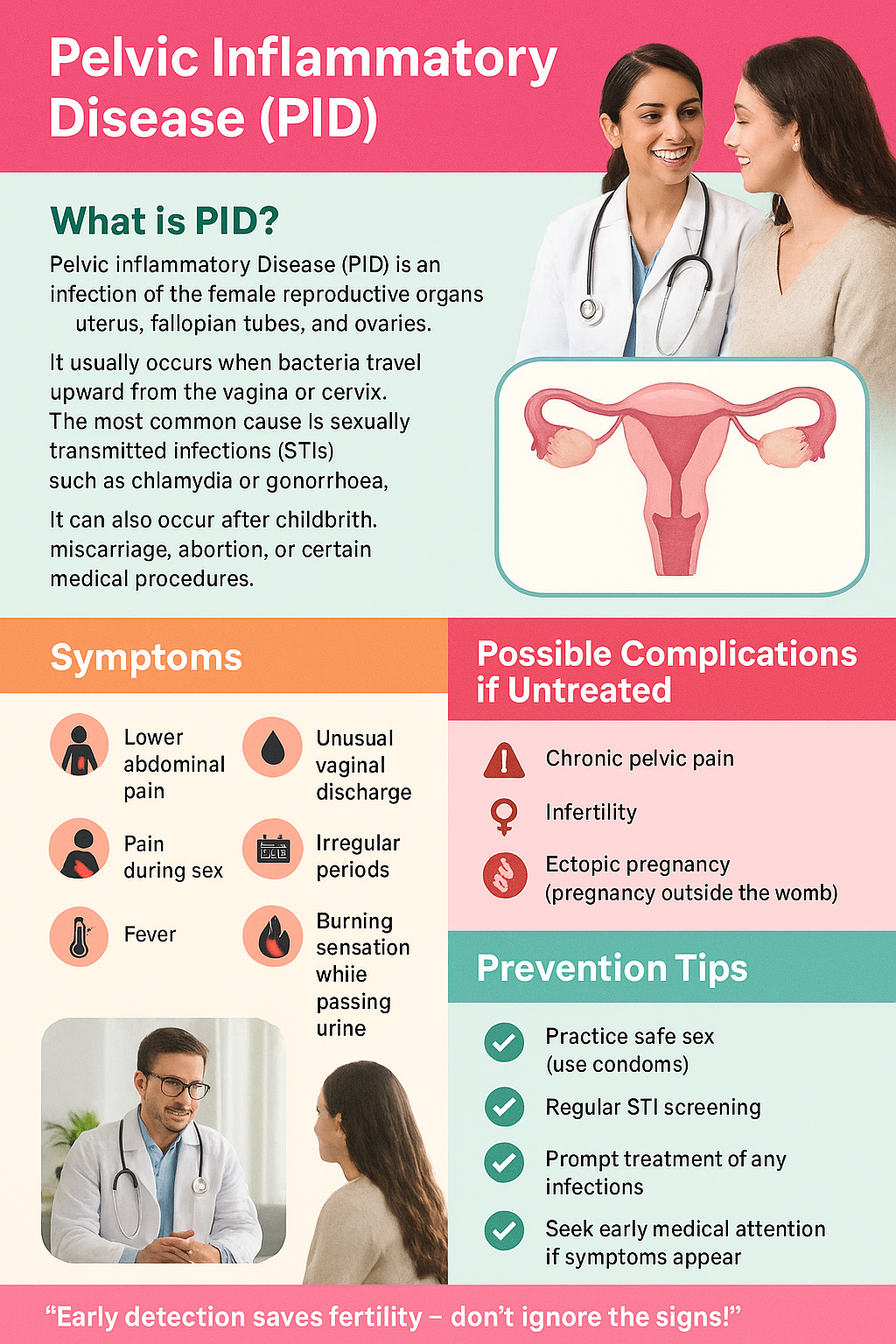
Pelvic Inflammatory Disease (PID)

Pelvic Inflammatory Disease (PID) is an infection of a woman’s reproductive organs, including the uterus, fallopian tubes, and ovaries. It usually happens when bacteria travel upward from the vagina or cervix. The most common cause is sexually transmitted infections (STIs) like chlamydia or gonorrhoea, but it can also occur after

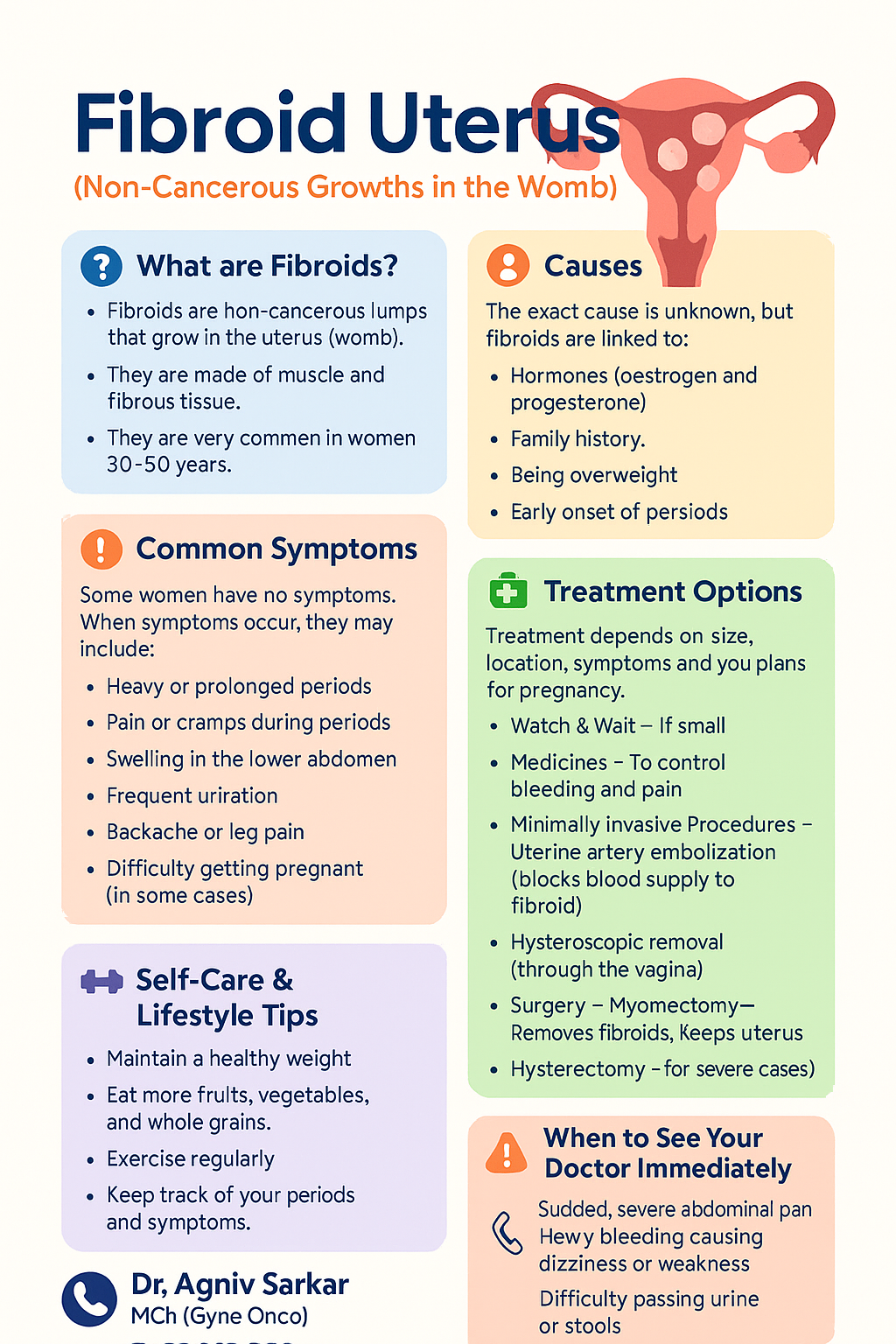
Fibroid Uterus – Understanding the Basics

Fibroids are non-cancerous growths that develop in the muscle wall of the uterus (womb). They are very common in women of reproductive age, especially between 30 and 50 years. Fibroids can be of different sizes – from very small to quite large – and a woman may have one or