Serous cystadenocarcinoma of ovary is the most common type of ovarian carcinoma. Typically affecting female of 50-60 years of age. Common signs and symptoms include lower abdominal pain and abdominal distension. Management includes imaging with USG and followed by CT scan. Tumour markers like CA 125 and CEA reveals the character of the mass. Optimum treatment includes Primary Cytoreductive surgery followed by adjuvant chemotherapy. In some of the inoperable advanced case we can begin with Neoadjuvant chemotherapy followed in Interval Cytoreductive surgery.
Case Presentation:
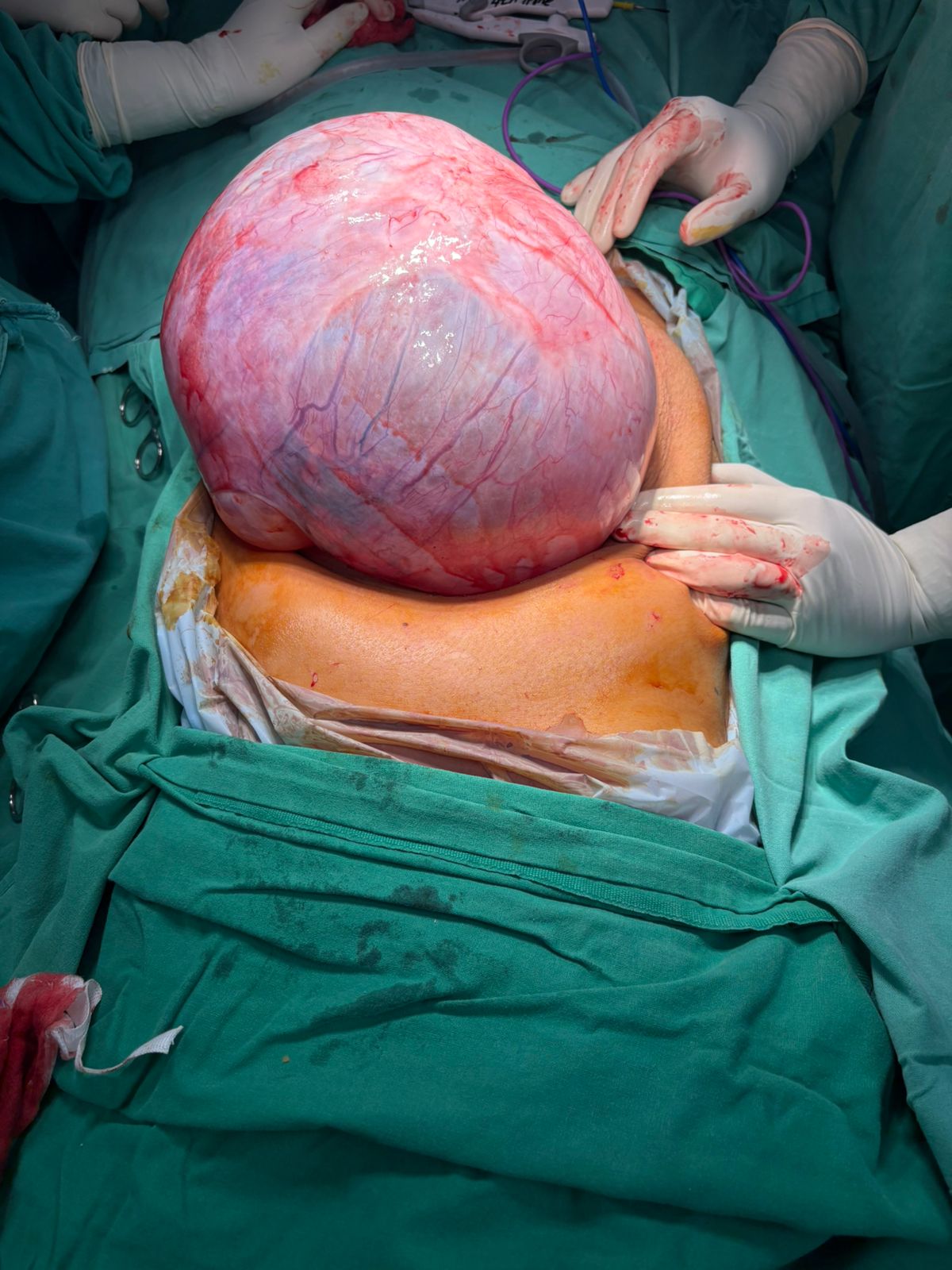
A 57 year-old female homemaker from bankura presented with lower abdominal pain and mild distension. Routine imaging revealed bilateral ovarian cyst. Contrast enhanced CT scan was done and it revealed bilateral ovarian mass adhered with uterus and multiple enlarged pelvic and paraaorticvlymph node and nodularity in omentum. Clinically and radiologically no ascites were present . Tumour marker revealed elevated CA 125 and normal CEA. Endoscopy and colonoscopy was done to rule out any extra ovarian origin.
Management:
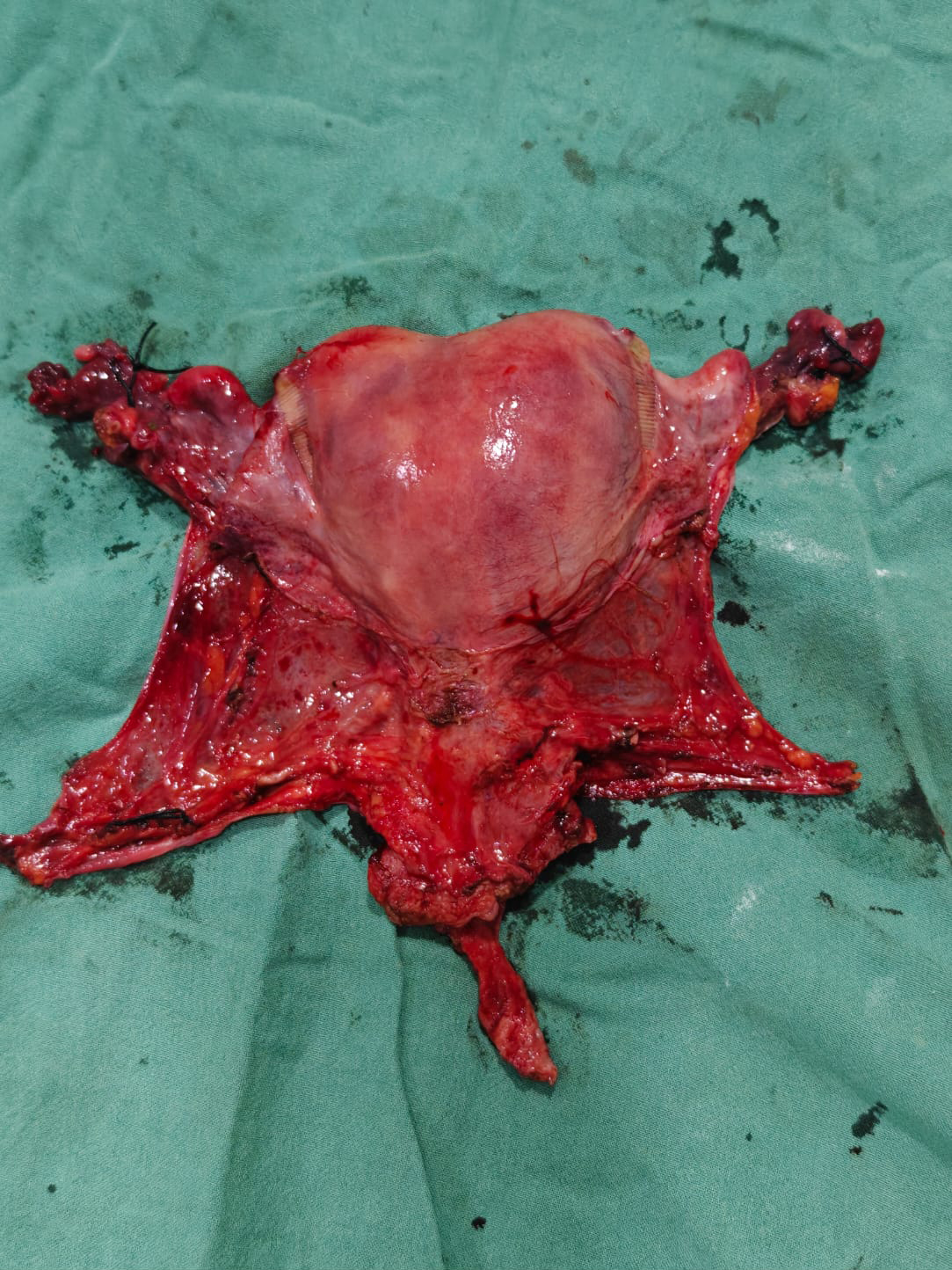
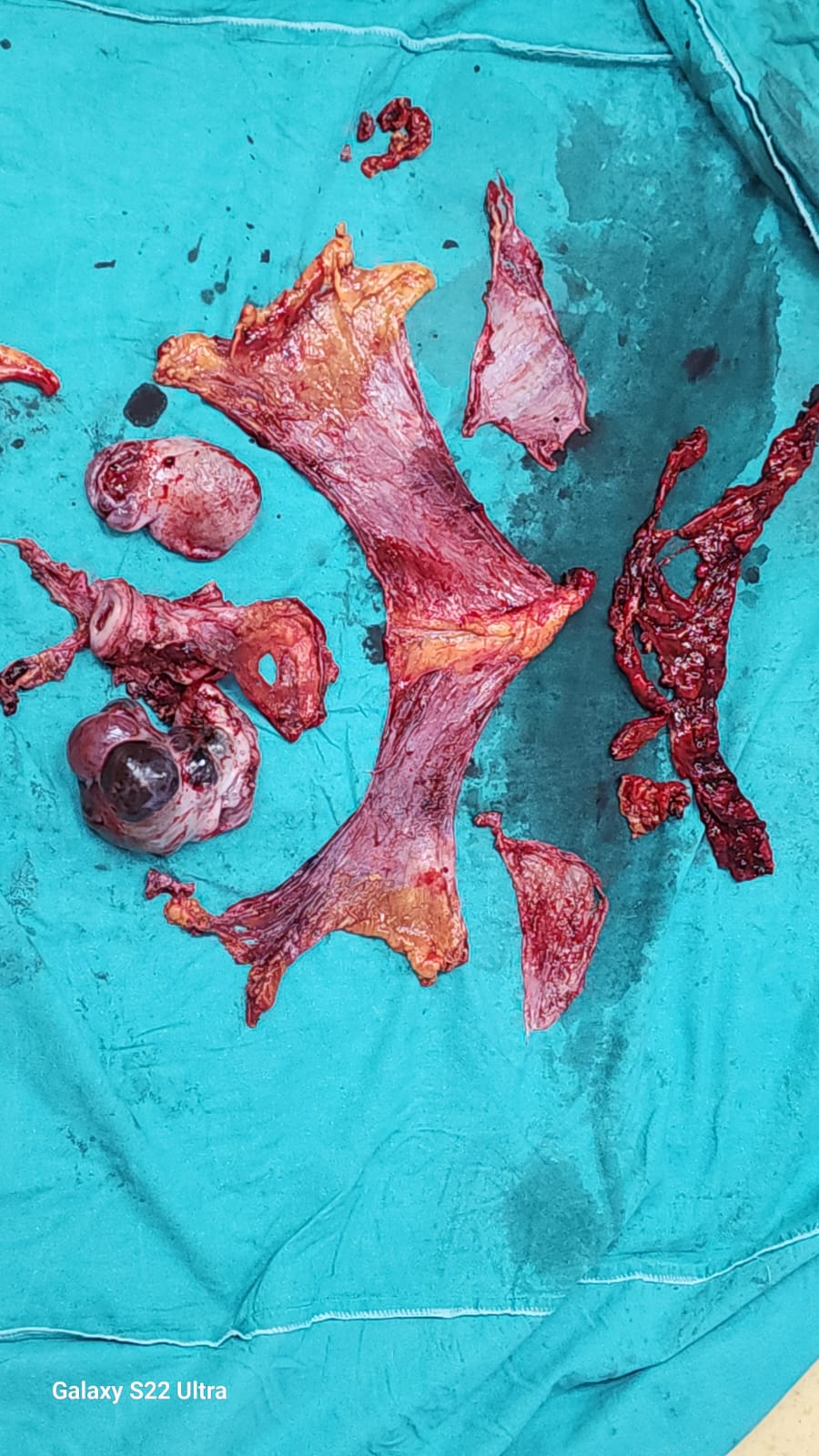
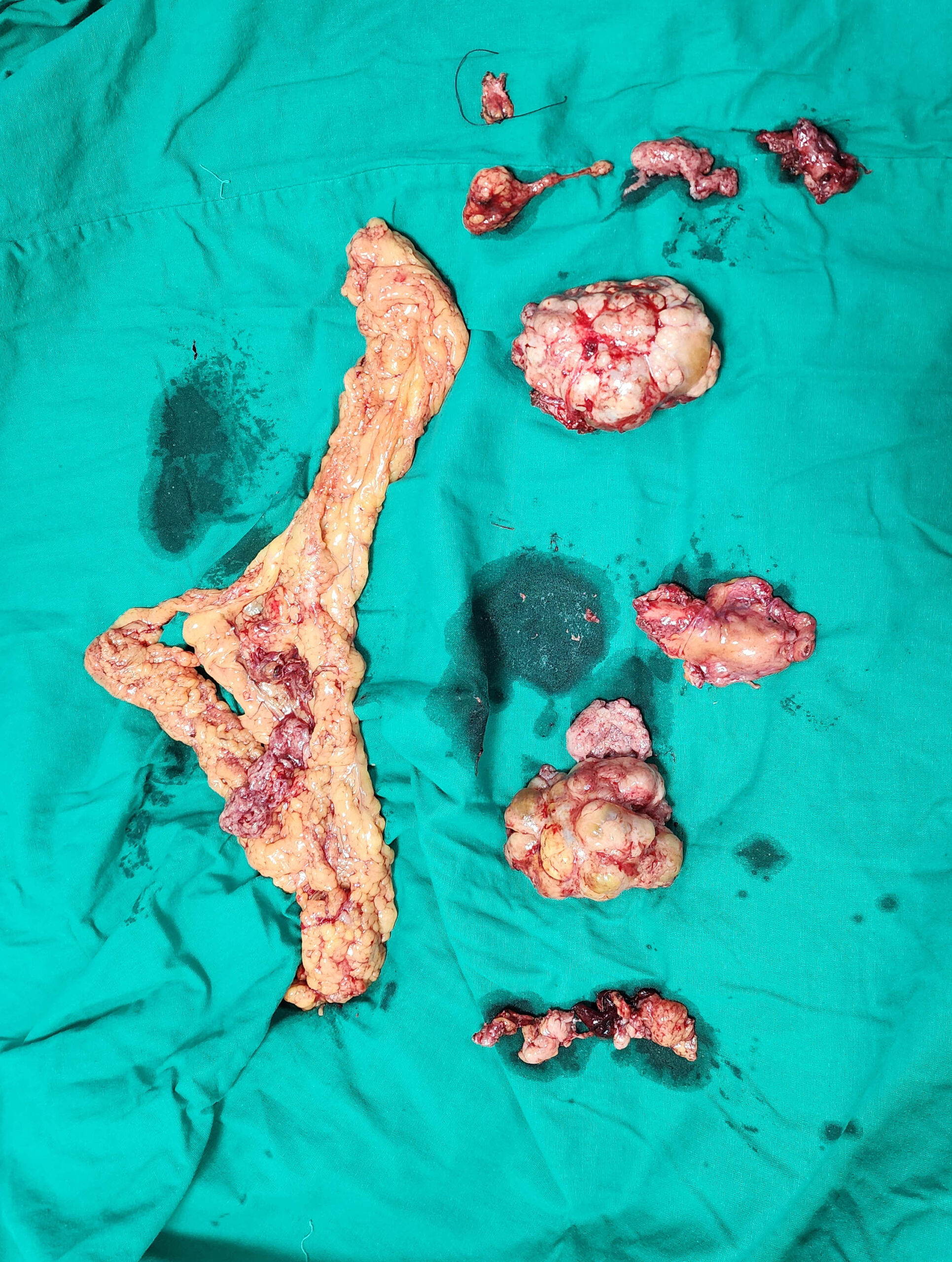
Due to her stable general condition she was planned for Primary Cytoreductive surgery. She underwent total abdominal hysterectomy with bilateral ovarian mass removal and total omentectomy and lymph node debulking with no macroscopic residual diseass. Post operatively she underwent smooth recovery and discharged on 7th day. Subsequently her report confirms Stage IV high grade serous carcinoma of ovary and she was started on chemothrapy
Conclusion:
HGSC of ovary is the most common ovarian malignancy in adult female. Management includes optimum cytoreduction where no residual macroscopic disease is visible. Surgery followed by 6 cycles of post operative adjuvant chemotherapy gives excellent survival despite being a stage IV disease.