OT Vlog | A Day in Gynecologic Surgery

Today in the OT, we managed a 50-year-old woman who had been struggling with heavy menstrual bleeding for quite some time. Her scans revealed multiple uterine fibroids, significantly affecting her quality of life.

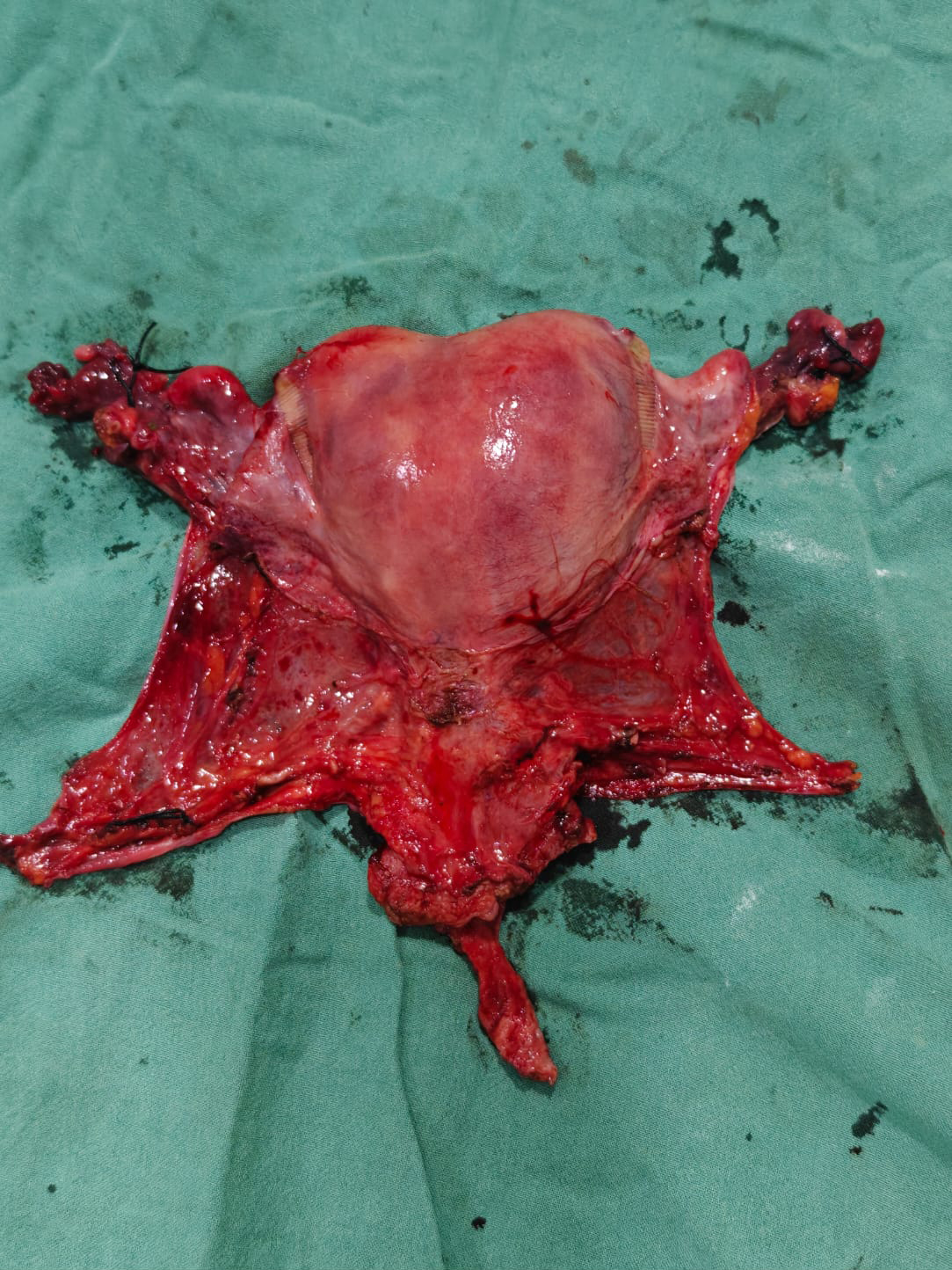
After thorough evaluation and counseling, we proceeded with a Total Abdominal Hysterectomy with Bilateral Salpingo-Oophorectomy.

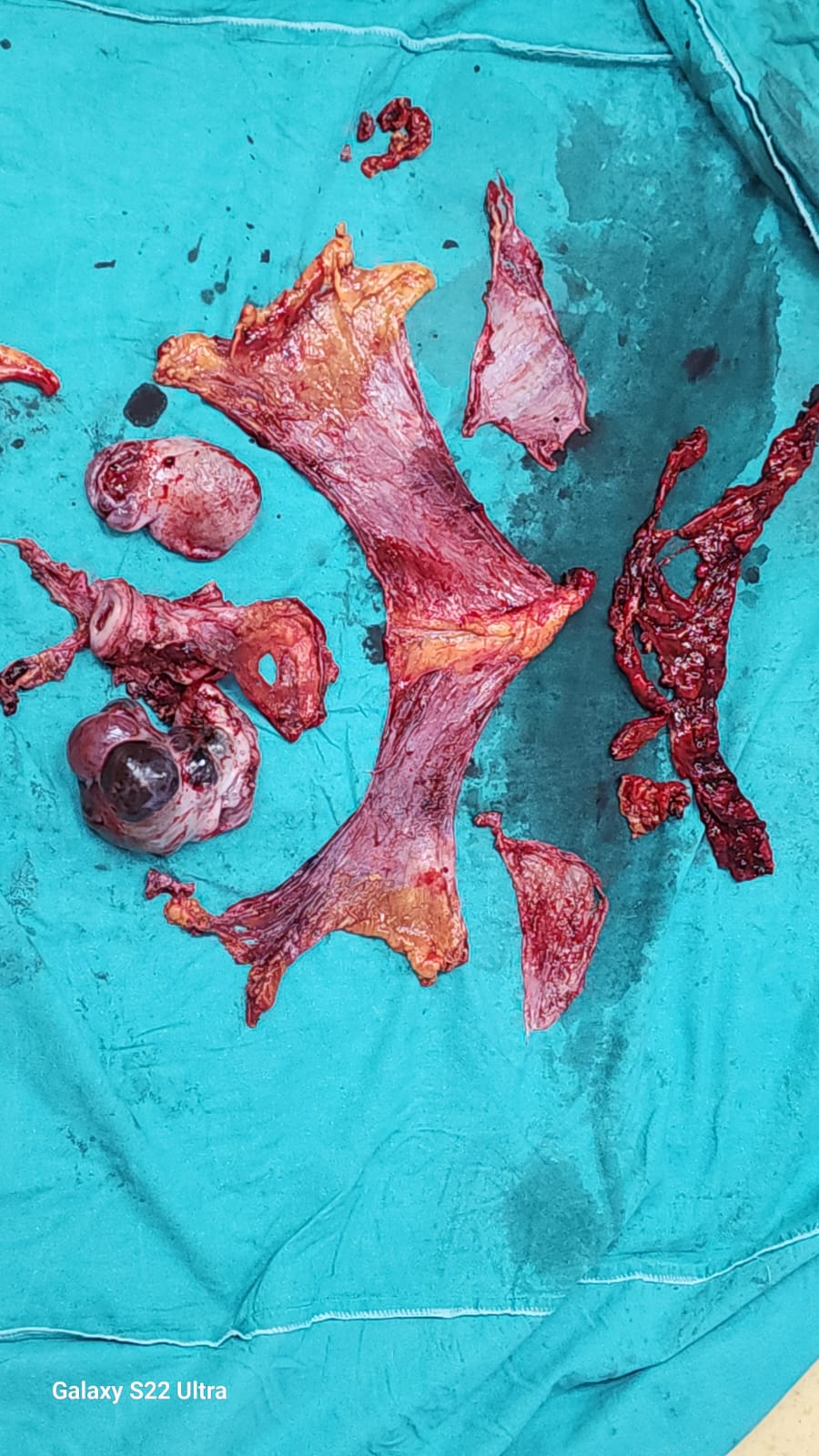
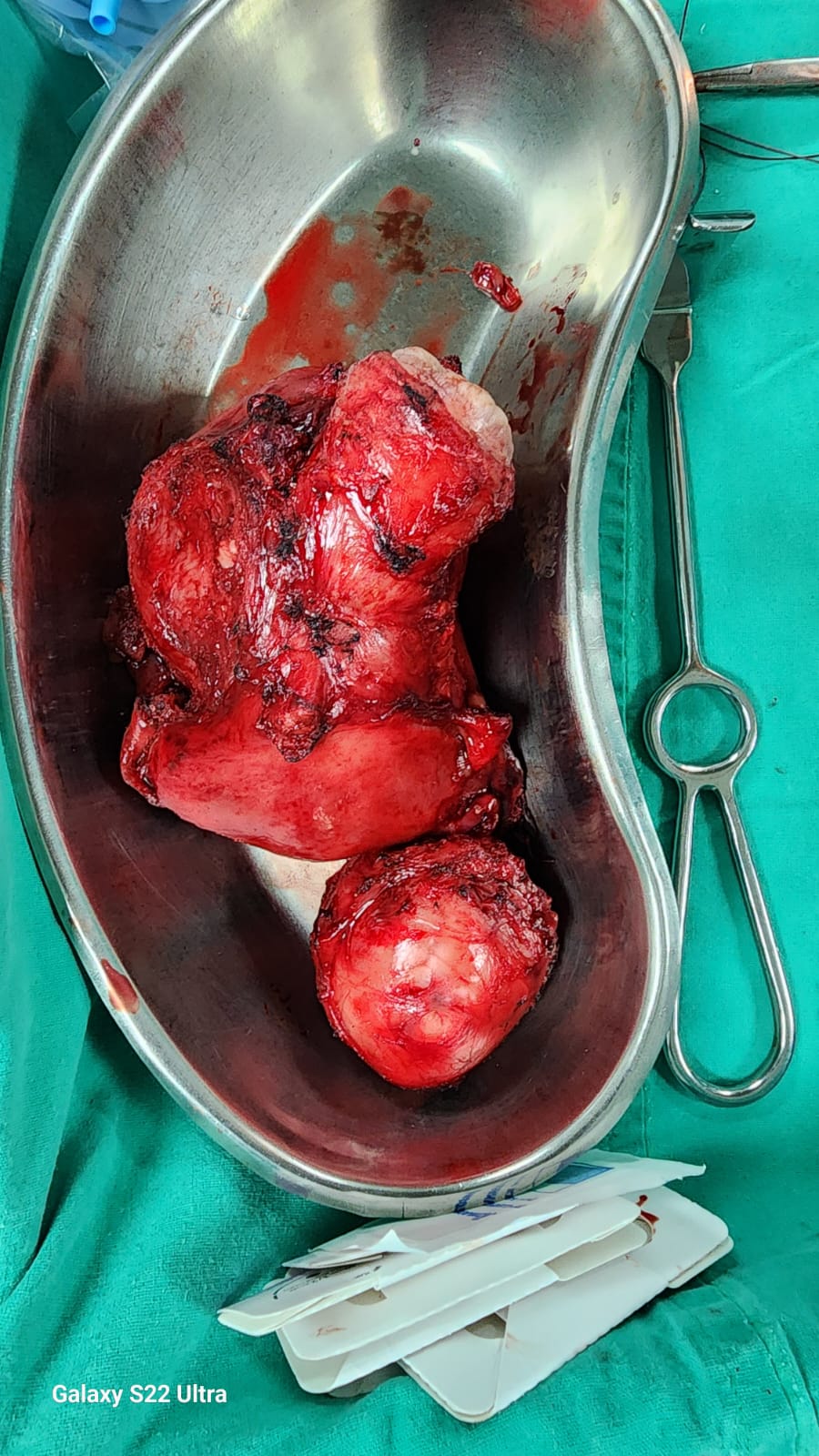
As seen in the specimen, the uterus is enlarged and distorted by multiple fibroids. These benign tumors can sometimes grow to a size where conservative management is no longer effective.

The surgery went smoothly, and the specimen was removed intact, which is always ideal to avoid complications.

This case highlights an important point:
While fibroids are common and benign, they can have a major impact on daily life, and timely surgical intervention can be life-changing.

The patient is stable post-operatively and on the path to recovery.

Every case reminds us why we do what we do—restoring health, one surgery at a time.

#Gynecology #Fibroid #Hysterectomy #SurgicalVlog #WomenHealth #OTDiaries
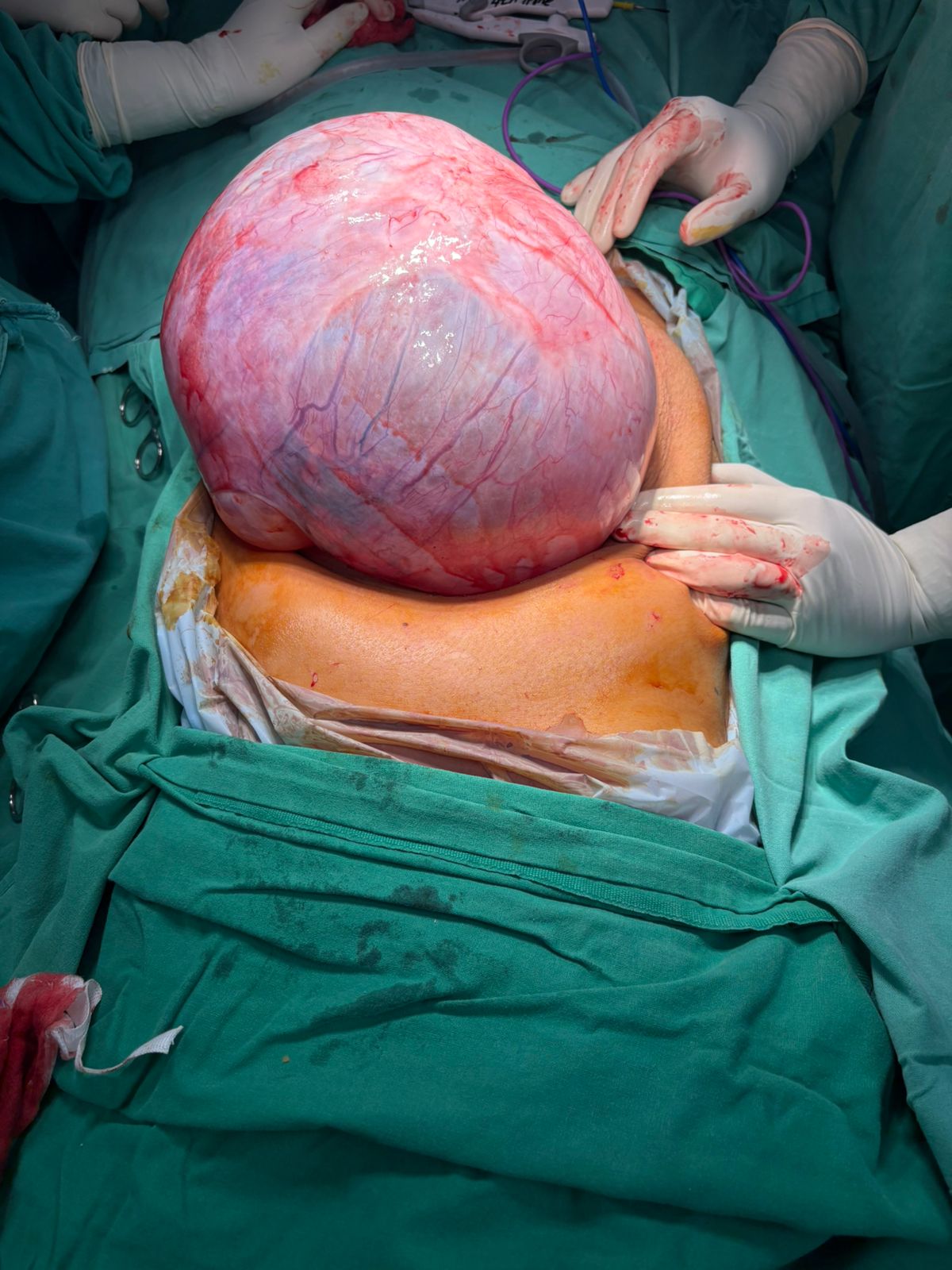
Mucinous Ovarian Neoplasm with Isolated CA 19-9 Elevation

Hello everyone, Today I’m presenting an interesting case of a mucinous ovarian neoplasm with an unusual tumor marker profile. We had a 58-year-old postmenopausal female who presented with progressive abdominal distension and discomfort over a few months. There were no significant gastrointestinal symptoms such as altered bowel habits, bleeding per

Stage IB2 Cervical Carcinoma Managed with Radical Hysterectomy

A 51-year-old postmenopausal woman presented with complaints of intermittent vaginal bleeding and watery discharge for 3 months. There was no significant past medical or surgical history. On per speculum examination, the cervix appeared bulky with an irregular growth. Per vaginal examination revealed a firm cervix with restricted mobility, but no

Advanced Ovarian Cancer Managed with NACT Followed by Interval Debulking Surgery

Case Vlog A 50-year-old woman presented with features suggestive of advanced ovarian malignancy. On evaluation, she was diagnosed with high-grade serous carcinoma (HGSC) of the ovary, with a markedly elevated CA-125 level of 1200. Given the advanced disease burden, the patient was started on neoadjuvant chemotherapy (NACT). She completed planned